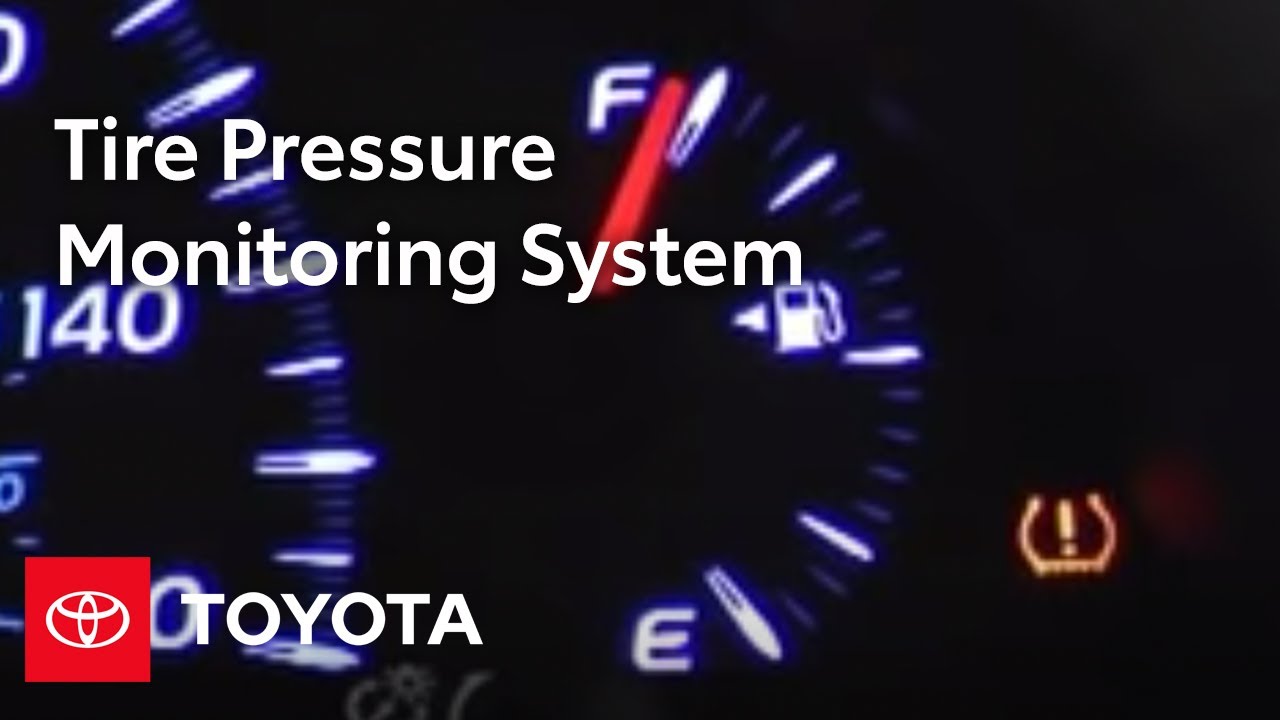
If you’ve noticed your Toyota Camry’s tire pressure light blinking on the dashboard, it’s natural to feel concerned. This blinking light isn’t just a simple warning—it often signals a deeper issue with your Tire Pressure Monitoring System (TPMS).
You might be wondering if your tires are underinflated, or if something else is wrong. The truth is, a blinking TPMS light usually means there’s a malfunction in the system itself, such as a dead sensor battery, a faulty sensor, or a need to reset the system after tire maintenance.
Ignoring this warning could lead to unexpected problems down the road. You’ll learn exactly why your Toyota Camry’s tire pressure light is blinking and what steps you can take to fix it quickly and safely. Stay with us to keep your ride smooth and your drives worry-free.
Causes Of Blinking Tpms Light
The blinking Tire Pressure Monitoring System (TPMS) light on a Toyota Camry signals an issue beyond low tire pressure. The system detects problems with sensors or electrical components. Understanding the causes helps in deciding the next steps. This section breaks down common reasons for a blinking TPMS light.
Sensor Battery Failure
Each TPMS sensor has a small battery. Over time, this battery loses power. When the battery dies, the sensor stops sending signals. The light blinks to warn that the system cannot read tire pressure correctly.
Damaged Or Faulty Sensor
Tire sensors are delicate and can break during tire changes or road impacts. A damaged sensor sends wrong data or no data at all. The TPMS light blinks to alert you of this sensor problem.
System Malfunction
The TPMS system itself can fail due to software or hardware faults. When the system cannot process sensor data, it triggers the blinking light. This means the system cannot monitor tire pressure properly.
Electrical Issues
Problems with the car’s electrical system may cause TPMS errors. Loose wiring, blown fuses, or battery issues can disrupt sensor signals. Such electrical faults often cause the TPMS light to blink.
Improper Reset After Tire Service
After tire rotation or replacement, the TPMS needs resetting. Skipping this step confuses the system. It may think there is a sensor fault and make the light blink. Proper reset stops this problem.
Checking Tire Pressure Manually
Checking tire pressure manually is the best way to ensure your Toyota Camry’s tires are properly inflated. The tire pressure monitoring system (TPMS) light blinking often signals a sensor or system issue, not just low pressure. Measuring the pressure yourself helps confirm whether the tires need air or if the system requires professional attention. This process is simple and can prevent further damage or unsafe driving conditions.
Using A Reliable Pressure Gauge
Start by choosing a reliable tire pressure gauge. Digital gauges are easy to read and very accurate. Mechanical gauges are also good but require careful reading. Remove the valve cap from each tire and press the gauge firmly onto the valve stem. Hold it for a few seconds until you get a steady reading. Repeat for all tires, including the spare if your car has one.
Recommended Psi Levels
Check the recommended PSI (pounds per square inch) for your Toyota Camry. This number is usually found on a sticker inside the driver’s door or in the owner’s manual. Do not guess or use the maximum pressure listed on the tire sidewall. Inflate or deflate the tires to match the recommended PSI. Proper tire pressure improves fuel efficiency and tire life while keeping you safe on the road.
Including Spare Tire
Many drivers forget the spare tire, but it needs regular checks too. The spare can lose air over time and might not be ready when needed. Use your gauge to check the spare’s pressure and adjust it to the recommended level. Keeping all tires, including the spare, properly inflated ensures you are prepared for emergencies and keeps your TPMS system working correctly.
Resetting The Tpms Light
The Toyota Camry’s Tire Pressure Monitoring System (TPMS) light blinking often signals a need for system attention. Resetting the TPMS light can clear errors after maintenance or fix false alerts. Understanding when and how to reset helps keep your dashboard clear and your driving safe.
Resetting the TPMS light is essential after changes like tire rotations or pressure adjustments. It ensures the system reads the sensors correctly and functions properly.
When To Reset
Reset the TPMS light after checking and adjusting tire pressures. Also reset it following tire rotations or replacements. If the light blinks without low pressure, a reset may fix sensor errors. A blinking light means the system detects a problem. Resetting can clear false warnings caused by sensor glitches.
Reset Methods For Toyota Camry
Most Toyota Camry models have a simple reset process. Start by turning the ignition on without starting the engine. Locate the TPMS reset button, usually under the steering wheel or inside the glove box. Press and hold the button until the TPMS light blinks three times. Release the button and wait for the light to turn off. This confirms the system reset.
Some newer models reset automatically after driving at a certain speed for a few minutes. Check your owner’s manual for the exact procedure for your Camry’s year and trim.
After Tire Rotation Or Replacement
Tire rotation or replacement changes sensor locations or pressure readings. Resetting the TPMS light after these services prevents false alerts. After rotating tires, drive your Camry for about 10 minutes at speeds above 30 mph. This helps the system relearn sensor positions. If the light stays on or blinks, perform a manual reset using the reset button.
Always verify tire pressure before resetting. Proper pressure ensures the system registers accurate data and stops warning lights from blinking.

Inspecting Sensors And Valve Stems
Inspecting the sensors and valve stems is crucial when the Toyota Camry’s tire pressure light blinks. This blinking often signals sensor issues rather than simple low tire pressure. Checking these components helps identify faults causing the warning.
Start by examining the sensors and valve stems carefully. These parts monitor and maintain tire pressure accuracy. Faulty sensors or damaged valve stems can trigger false alerts or prevent the system from working correctly. Regular inspection ensures the system functions properly and keeps you safe on the road.
Identifying Visible Damage
Look closely at the tire pressure sensors and valve stems for any visible damage. Cracks, corrosion, or dirt buildup can affect sensor performance. Damaged valve stems may leak air, causing pressure loss. Even small issues can cause the tire pressure light to blink. Cleaning or replacing damaged parts might solve the problem quickly.
Sensor Location And Accessibility
Tire pressure sensors are usually inside the tires, attached to the valve stems. Accessing them requires removing the tire from the wheel. Some models have sensors mounted externally, making inspection easier. Knowing the sensor location helps in checking and servicing them properly. Professional help may be needed if you cannot reach the sensors safely.
Electrical System Troubleshooting
The blinking tire pressure light in a Toyota Camry may point to electrical problems. The Tire Pressure Monitoring System (TPMS) depends on the car’s electrical components. Troubleshooting these components helps find the cause of the blinking light. This section focuses on checking battery health and inspecting wiring and modules.
Battery Health Check
The car battery powers the TPMS sensors and control module. A weak or dead battery can cause the TPMS light to blink. Check the battery voltage with a multimeter. Healthy batteries usually show around 12.6 volts when the car is off. Below 12 volts may mean the battery needs charging or replacement. Also, inspect battery terminals for corrosion or loose connections. Clean and tighten them if needed. A stable power supply is crucial for proper TPMS function.
Wiring And Module Issues
Faulty wiring can interrupt the TPMS signals. Inspect wiring harnesses connected to the TPMS module for damage or loose plugs. Look for frayed wires, corrosion, or pinched cables. The TPMS control module itself may fail, causing the light to blink. Resetting the module or updating its software can sometimes fix the issue. In some cases, replacing the module is necessary. Professional diagnostic tools help identify wiring or module faults accurately.

Professional Diagnosis And Repair
The Toyota Camry tire pressure light blinking often signals a problem beyond low tire pressure. Professional diagnosis and repair ensure the issue is correctly identified and fixed. Experts use specialized tools to check the tire pressure monitoring system (TPMS) and related components. Addressing the root cause quickly prevents further damage and maintains vehicle safety.
When To Visit A Mechanic
Visit a mechanic if the tire pressure light blinks continuously. Manual tire pressure checks show correct PSI but the light stays on. After tire rotations or replacements, the system may need resetting. Persistent blinking warns of sensor faults or electrical problems. Early professional help avoids costly repairs later.
Diagnostic Tools Used
Mechanics use TPMS scan tools to read sensor data and error codes. These devices communicate with each tire sensor wirelessly. They detect dead batteries, sensor damage, or signal issues. Some tools also reset the TPMS after service. Accurate diagnostics guide the repair process effectively.
Sensor Replacement Process
If a sensor fails, the mechanic removes the tire from the wheel. The faulty sensor is carefully taken out and replaced with a new one. The new sensor is programmed to the vehicle’s system. After installation, the mechanic tests each sensor’s signal. This ensures the tire pressure light stops blinking.
Cost To Replace Tpms Sensors
Replacing the TPMS (Tire Pressure Monitoring System) sensors in a Toyota Camry involves some costs. These costs depend on parts and labor required to fix the blinking tire pressure light. Understanding these expenses helps plan your car maintenance budget well. The TPMS sensors are important for safety and must work correctly.
Parts And Labor Breakdown
The main cost is the TPMS sensor itself. Each sensor costs between $50 and $100. Toyota Camry usually has four sensors, one for each tire. Labor charges vary by location but usually range from $50 to $100 per hour. Sensor replacement can take one to two hours. Some shops charge a flat fee for the entire job, including programming the new sensors.
The total cost for replacing one sensor can range from $100 to $200. Replacing all four sensors can cost $400 to $800. Programming fees to sync sensors with the car’s system might add $20 to $50. Prices depend on the shop and sensor brand used.
Factors Influencing Cost
Sensor type affects the price. OEM sensors from Toyota cost more than aftermarket options. Some sensors last longer and have better accuracy. Labor costs change depending on the repair shop’s rates. Dealerships often charge more than independent mechanics. Location also plays a role; urban areas have higher prices.
Additional repairs may increase costs. Damaged tire valves or other parts might need replacement. If the TPMS system’s control module has issues, costs rise. Sensor programming or reset tools affect the final price. Regular maintenance can prevent sudden expenses.
Saving Money On Tpms Repairs
Fixing the Toyota Camry tire pressure light blinking issue can be costly. The Tire Pressure Monitoring System (TPMS) uses sensors that may fail or need replacement. Repairing these parts at a shop might drain your wallet. Saving money on TPMS repairs requires smart choices and some effort. Here are practical ways to lower repair costs without compromising safety.
Diy Sensor Installation
Replacing TPMS sensors by yourself saves labor costs. Sensors are easy to find online or at auto stores. Watch tutorial videos before starting the job. Make sure to have the right tools to remove and install sensors. After installation, reset the TPMS system following your vehicle manual. DIY work reduces expenses and teaches you about your car’s system.
Using Aftermarket Parts
Aftermarket TPMS sensors cost less than original parts. These sensors work well and meet safety standards. Check product reviews to choose reliable brands. Avoid very cheap options that may fail quickly. Using aftermarket parts cuts costs without risking performance. This choice helps keep your Toyota Camry safe and your wallet happy.
Shop Around For Labor Rates
Labor charges vary between repair shops. Call several local mechanics to compare prices. Choose a shop with good reviews and fair rates. Some shops offer discounts or specials on TPMS repairs. Avoid rushing to the first option you find. Taking time to shop around can save you a lot of money on repairs.
Frequently Asked Questions
Why Is My Tire Pressure Light Blinking But My Tires Are Fine?
A blinking tire pressure light usually signals a TPMS sensor issue, not low tire pressure. Check tires manually and reset the system. If blinking persists, a sensor battery may be dead, or the system needs professional inspection. Electrical problems or improper resets can also cause this warning.
How Much Does It Cost To Replace A Tpms?
Replacing a TPMS sensor costs between $50 and $150 per sensor. Labor fees may add $20 to $50. Prices vary by vehicle and location.
How Do You Reset The Tire Pressure Sensor On A Toyota Camry?
To reset the Toyota Camry tire pressure sensor, first ensure tires are properly inflated. Turn the ignition to “ON” without starting the engine. Press and hold the TPMS reset button until the warning light blinks three times. Drive the car for 10 minutes to complete the reset.
Can I Drive My Car If The Tpms Light Is On?
You can drive briefly if the TPMS light is on, but check tire pressure immediately. A blinking light signals a sensor or system fault needing professional inspection. Driving long distances with TPMS issues risks tire damage and unsafe conditions.
Why Is My Toyota Camry Tire Pressure Light Blinking?
A blinking tire pressure light usually signals a sensor or system malfunction. It may mean a dead sensor battery, damaged sensor, or system reset needed.
Conclusion
A blinking Toyota Camry tire pressure light signals a system problem, not just low air. Check your tire pressure with a gauge to be sure. If pressure is fine, the sensor or system may need attention. Resetting the system after tire changes can help.
Damaged sensors or electrical faults often cause blinking lights. Getting professional help ensures the issue is diagnosed correctly. Don’t ignore this warning; it protects your safety and your car’s performance. Stay alert and keep your tires properly maintained for smooth driving.