Have you noticed your Toyota RAV4’s tire pressure light blinking and wondered what’s going on? That flashing warning isn’t just a random signal—it’s your car trying to tell you something important.
Ignoring it could lead to bigger problems or even safety risks while driving. But don’t worry, understanding why this light blinks and what you should do next is simpler than you think. Keep reading to discover the common reasons behind that blinking tire pressure light, how to check if your tires are really the issue, and the quick steps you can take to fix it before it turns into a costly repair.
Your safety and peace of mind start here.

Blinking Light Meaning
The Toyota RAV4 tire pressure light blinking shows a problem with the Tire Pressure Monitoring System (TPMS). This blinking does not always mean low tire pressure. It often signals a system issue that needs attention.
The blinking light can mean a sensor failure, a dead battery in the sensor, or a need to reset the system. Sometimes, electrical problems in the vehicle trigger the blinking light. Always check the tire pressure manually to be sure.
Difference Between Solid And Blinking
A solid tire pressure light means one or more tires have low pressure. This needs immediate air refill to avoid unsafe driving.
A blinking light means the TPMS itself has a fault. The system cannot properly check tire pressure. The blinking alerts you to a sensor or system problem.
Do not ignore the blinking light. It shows your car cannot warn you about real tire pressure issues.
Common Warning Signals
- Sensor Battery Failure: The sensor’s battery may be dead, causing the light to blink.
- Damaged or Faulty Sensor: A sensor may get damaged during tire changes or wear out over time.
- System Malfunction: The TPMS control unit might have an error or failure.
- Electrical Issues: Battery or wiring problems in the car can cause the blinking light.
- Improper Reset: After tire rotation or replacement, the system may need a reset to work right.
Check tire pressure first. If pressure is correct, visit a mechanic to diagnose the TPMS system.
Typical Causes
The Toyota RAV4 tire pressure light blinking often signals an issue with the Tire Pressure Monitoring System (TPMS). This warning does not always mean low tire pressure. It usually points to a problem within the system itself. Understanding the typical causes helps in addressing the problem quickly and safely.
Several factors can trigger the blinking tire pressure light. These range from sensor issues to electrical faults. Each cause affects the system’s ability to monitor tire pressure correctly.
Sensor Battery Failure
Each tire sensor has a small battery that powers it. Over time, this battery loses charge and dies. A dead sensor battery causes the TPMS light to blink. The system cannot receive signals from the sensor, leading to alerts.
Damaged Or Faulty Sensor
Tire sensors can get damaged during tire changes or road impacts. A faulty sensor sends wrong or no data to the system. This causes the tire pressure light to blink, indicating a sensor problem.
System Malfunction
The TPMS itself can develop faults. Software errors or hardware failures stop it from working correctly. When the system malfunctions, it cannot track tire pressure. The blinking light warns the driver about this issue.
Electrical Issues
Problems with the car’s electrical system may trigger the blinking light. A weak battery or wiring faults can disrupt sensor signals. This causes the TPMS to show a warning even if tire pressure is fine.
Improper Reset After Tire Service
After tire rotations or replacements, the TPMS needs resetting. Skipping this step confuses the system about sensor locations. The light blinks to show it cannot calibrate properly. Always reset the system after tire service.
Manual Tire Pressure Check
Checking your Toyota RAV4’s tire pressure manually helps ensure safety and proper vehicle function. The blinking tire pressure light may not always mean low pressure. Sometimes, the system has an issue. Measuring pressure by hand confirms if tires are properly inflated.
Manual checks require simple tools and basic steps. Regular pressure checks prevent uneven tire wear and improve fuel efficiency. Knowing the right pressure for your tires keeps your ride smooth and safe.
Using A Reliable Pressure Gauge
Use a quality pressure gauge for accurate readings. Digital gauges show exact numbers, making checks easier. Analog gauges work well but need careful reading. Always check pressure when tires are cold, before driving.
Remove the valve cap and press the gauge firmly on the valve stem. Hold it steady until the gauge displays the pressure. Note the reading and compare it to your car’s recommended levels.
Recommended Psi Levels
Find the correct PSI on the sticker inside the driver’s door or in the owner’s manual. The PSI varies by tire size and load. Most Toyota RAV4 tires require between 30 and 35 PSI. Keep pressure within this range for best performance.
Do not inflate beyond the recommended PSI. Overinflation causes harsh rides and uneven wear. Underinflation reduces fuel efficiency and increases tire damage risk. Check pressure monthly to maintain proper levels.
Including Spare Tire
Do not forget the spare tire during pressure checks. Many drivers overlook the spare until an emergency. A flat or underinflated spare tire can leave you stranded. Check its pressure regularly and inflate to the recommended PSI.
Spare tires often lose air over time. Keeping it ready ensures safety during unexpected tire changes. Store the spare tire properly to avoid damage and maintain its condition.
Resetting The Tpms
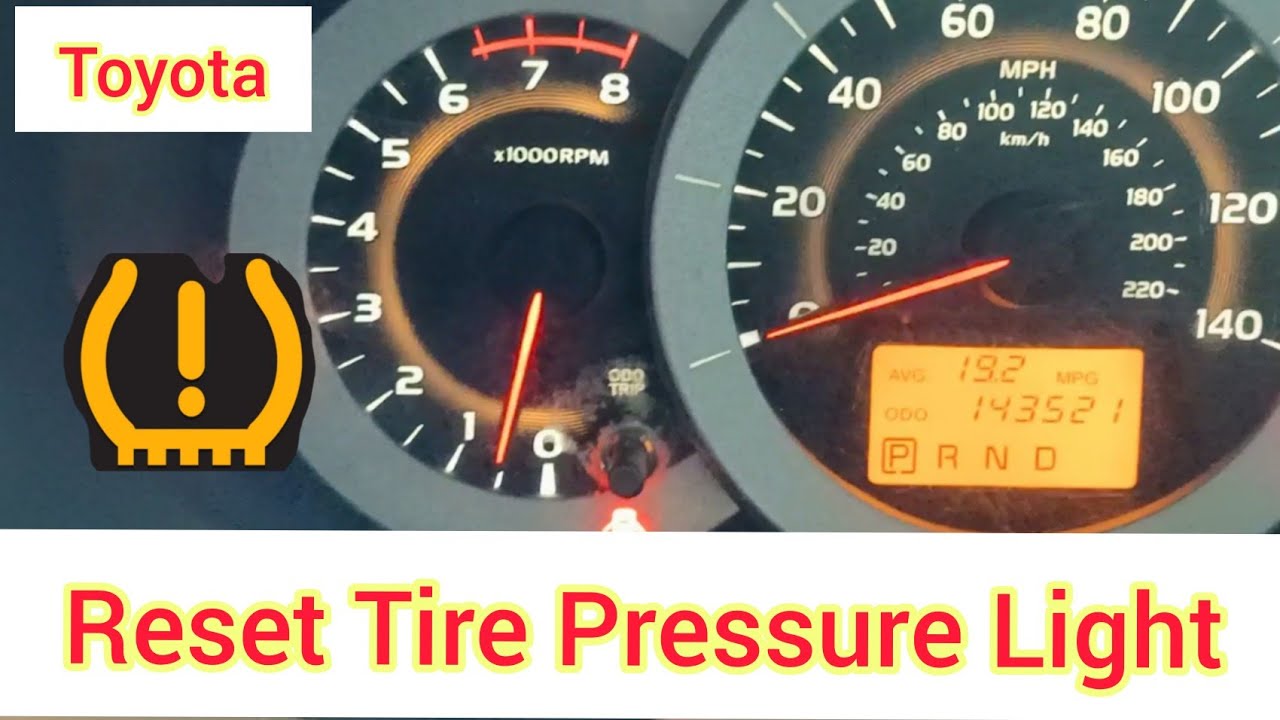
Resetting the Tire Pressure Monitoring System (TPMS) is essential after certain maintenance tasks or if the tire pressure light blinks. This process helps the system recalibrate and correctly monitor your tire pressure. Proper resetting ensures accurate readings and keeps your Toyota RAV4 safe on the road.
The TPMS reset is simple but requires attention to timing and procedure. Resetting at the right moment avoids false warnings and sensor errors. Follow the correct steps for a successful reset.
When To Reset
Reset the TPMS after inflating tires to the correct pressure. Also reset after rotating or replacing tires. If the tire pressure light blinks or stays on, try resetting. This can clear sensor errors or system glitches. Regular resets keep your system reliable and accurate.
Reset Procedures
Start by turning the ignition to the “ON” position, but do not start the engine. Locate the TPMS reset button, usually under the steering wheel. Press and hold the button until the TPMS light blinks three times. Release the button and wait for the light to turn off. Drive the vehicle for 10 to 30 minutes at speeds above 25 mph for the system to recalibrate. If the light stays on or blinks, repeat the process or check the sensors.
After Tire Rotation Or Replacement
Tire rotation or replacement changes sensor positions. The system may not recognize the new setup without a reset. Resetting after these changes prevents false alerts. Always check tire pressure first. Then perform the TPMS reset to update sensor data. This step keeps your Toyota RAV4’s TPMS working correctly and avoids unnecessary warnings.
Inspecting For Damage
Inspecting for damage is a key step when the Toyota RAV4 tire pressure light blinks. This warning often points to sensor or system issues. Physical damage to tire components can cause false alerts. Careful checks help identify problems early. Fixing damage prevents further issues and keeps your drive safe.
Valve Stem Condition
Start by examining the valve stem on each tire. The valve stem should be intact and free of cracks or leaks. Look for signs of corrosion or bending. A damaged valve stem can cause air leaks. This affects tire pressure and triggers the warning light. Replace any valve stems that show wear or damage. Tighten the valve cap securely to protect the valve.
Sensor Physical Check
Next, inspect the tire pressure monitoring sensors inside the wheels. These sensors can suffer damage during tire changes or road impacts. Look for cracks, broken parts, or loose fittings on the sensor. Dirt or debris can also block sensor signals. Clean the sensor carefully without causing harm. If a sensor appears damaged, it may need replacement to restore proper function.
Electrical System Troubleshooting
The Toyota Rav4’s tire pressure light blinking can point to electrical issues. The tire pressure monitoring system relies on the vehicle’s electrical components. Faulty wiring or a weak battery can cause the light to blink. Checking these parts helps identify the root cause. Proper troubleshooting avoids unnecessary sensor replacements.
Start by examining the battery health, then inspect wiring and related modules. These steps help ensure the TPMS functions correctly.
Battery Health
The battery powers all electrical systems in your Rav4. A weak or failing battery can cause the TPMS light to blink. Measure the battery voltage with a multimeter. It should read around 12.6 volts when the car is off. Lower voltage means the battery needs charging or replacement. Clean battery terminals to ensure good contact. Corrosion or loose connections affect power delivery to the TPMS module.
Wiring And Module Checks
Inspect wiring harnesses connected to the TPMS sensors and control module. Look for damaged wires, frayed insulation, or loose connectors. Faulty wiring can disrupt sensor signals, causing the light to blink. Use a wiring diagram to trace circuits. Test continuity with a multimeter to find breaks or shorts. Check the TPMS control module for signs of damage or moisture. A faulty module can send false warnings. Repair or replace damaged parts to restore system function.
When To Seek Professional Help
The Toyota RAV4 tire pressure light blinking can signal a complex issue. Not all problems fix themselves with simple checks. Some require expert knowledge and special tools.
Ignoring the blinking light can lead to unsafe driving conditions. Knowing when to get professional help can save time and money. It ensures your vehicle stays safe on the road.
Diagnosing Sensor Issues
Professionals use diagnostic tools to check the TPMS sensors. They can detect dead batteries or faulty sensors quickly. This step is crucial if the light blinks despite correct tire pressure.
Technicians inspect each sensor’s signal and condition. They replace or repair sensors as needed. DIY fixes rarely diagnose sensor faults accurately.
System Recalibration
After tire rotation or replacement, the system may need recalibration. Experts reset the TPMS using special tools. This process stops the blinking light if caused by system errors.
Recalibration prevents false warnings and ensures accurate pressure readings. It helps the system communicate properly with the vehicle’s computer.
Advanced Repairs
Some blinking lights indicate electrical or control module problems. Professional mechanics can trace wiring issues and fix damaged components. These repairs require experience and proper equipment.
Advanced repairs also cover replacing the TPMS control unit. This step restores the system’s full functionality. Attempting these repairs alone can cause more damage.
Driving Safety Tips
Driving safety is the top priority when your Toyota RAV4 tire pressure light blinks. This warning needs your immediate attention. Understanding how to respond can prevent accidents and vehicle damage. Follow these safety tips for a secure drive.
Is It Safe To Drive?
A blinking tire pressure light shows a system problem, not always low tire pressure. You can drive short distances if tires feel normal and firm. Avoid high speeds or long trips until the issue is fixed. Check tire pressure with a gauge to be sure. If pressure is low or tires feel soft, stop driving and fix the tires immediately.
Precautions With Blinking Light
Do not ignore the blinking light. It may mean a sensor failure or an electrical issue. Drive carefully and watch for tire problems like wobbling or noise. Avoid sharp turns and sudden stops. Visit a mechanic to diagnose the TPMS system. Reset or repair the sensors as needed to restore safety. Keep a spare tire ready in case of emergency.
Frequently Asked Questions
Why Is My Tire Pressure Light Blinking But My Tires Are Fine?
A blinking tire pressure light usually signals a TPMS malfunction, such as a dead sensor battery, faulty sensor, or system reset needed. Check tire pressure manually. If tires are fine, have a professional inspect the sensor or electrical system for issues.
Is It Safe To Drive With A Blinking Tire Pressure Light?
A blinking tire pressure light signals a TPMS system malfunction, not low tire pressure. Driving may be unsafe. Check tire pressure immediately and have the system inspected by a professional to fix sensor or electrical issues.
The TPMS reset button on a Toyota RAV4 is usually located under the dashboard, near the steering wheel or glove box. Press and hold it until the TPMS light blinks, then release to reset the system. Check your owner’s manual for exact location details.
How Do I Know Which Tire Is Low On My Toyota Rav4?
Your Toyota RAV4’s TPMS light shows low pressure. Use a tire pressure gauge on all tires. The lowest reading identifies the low tire.
Why Is My Toyota Rav4 Tire Pressure Light Blinking?
A blinking tire pressure light means the TPMS system has a problem. It could be a dead sensor battery, a faulty sensor, or system malfunction. Check tire pressure manually and have the system inspected if the light keeps blinking.
Conclusion
A blinking tire pressure light signals an issue beyond low tire pressure. It often means the TPMS sensor or system has a fault. Always check your tire pressure first using a reliable gauge. If pressure is fine, inspect sensors or seek professional help.
Ignoring the blinking light can lead to bigger problems. Stay safe by addressing the warning promptly. Regular tire and system checks keep your Toyota RAV4 running smoothly. Don’t delay fixing this light for peace of mind on every drive.