
Have you ever looked up at the night sky and noticed the bright Capella star blinking like a colorful disco light? You’re not imagining things—Capella’s twinkle is a fascinating spectacle that can catch your eye and spark your curiosity.
But why does this brilliant star flash and shimmer so much, especially when it’s low on the horizon? If you’ve ever wondered what causes Capella’s vibrant blinking and what it means for your stargazing experience, you’re about to discover the surprising science behind this dazzling light show.
Keep reading to unlock the secrets of Capella’s flicker and learn how you can make the most of this celestial wonder on your next night under the stars.

Capella’s Place In The Night Sky
Capella holds a special spot in the night sky. It is one of the brightest stars visible to the naked eye. Its unique twinkling catches the attention of many stargazers. This section explores Capella’s exact place among the stars and why it shines so brightly.
Location In Auriga
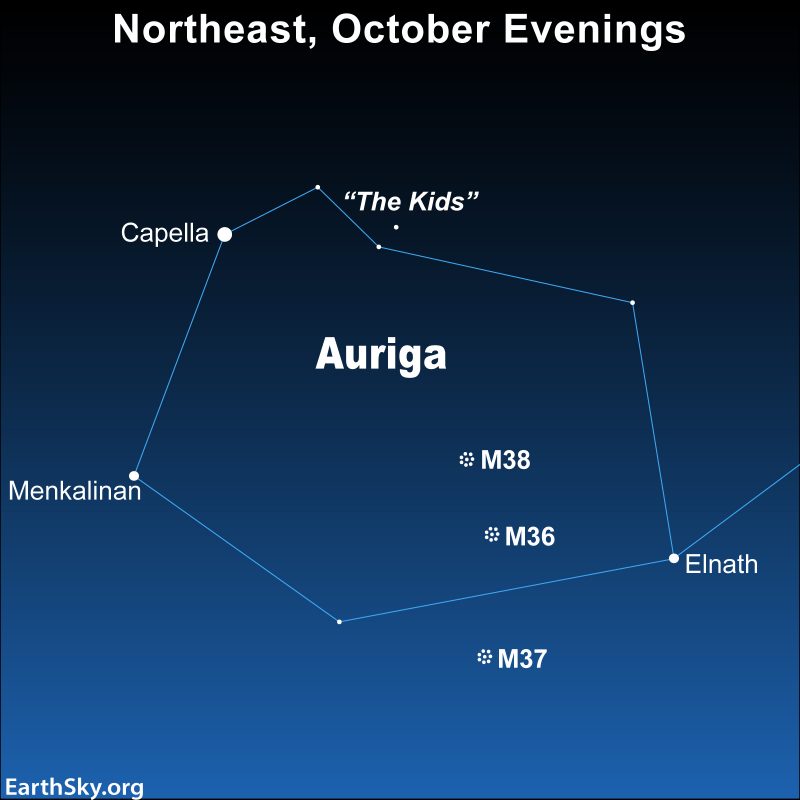
Capella is the brightest star in the constellation Auriga, also called the Charioteer. Auriga is shaped like a five-sided pentagon, and Capella sits near its center. It is easy to find because it outshines other stars in the group. Auriga is visible mostly during winter in the Northern Hemisphere. Capella’s position makes it a key guide for finding nearby constellations.
Brightness And Visibility
Capella ranks as the sixth brightest star in the night sky. Its brightness comes from its size and energy output. On clear nights, Capella shines with a steady light, but near the horizon, it twinkles with colorful flashes. This blinking happens due to Earth’s atmosphere bending the star’s light. Capella is best seen in the evening from fall to winter. Its brightness makes it visible even in cities with some light pollution.
Why Capella Twinkles
Capella, one of the brightest stars in the night sky, often appears to blink or twinkle. This sparkling effect catches the eye of many stargazers. But what causes Capella to twinkle so vividly? The answer lies in the way Earth’s atmosphere interacts with the star’s light. Several atmospheric factors play a key role in this dazzling display.
Atmospheric Turbulence Effects
Earth’s atmosphere is full of moving air pockets called turbulence. These pockets have different temperatures and densities. As starlight passes through, it bends and shifts. This bending changes the star’s apparent position and brightness rapidly. The result is the flickering or twinkling we see from the ground.
Light Refraction And Air Density
Refraction happens when light changes direction passing through air layers. Air density varies at different heights above Earth. These density changes cause light to bend unevenly. Capella’s light travels through many such layers, creating shifting colors and brightness. This makes the star appear to blink in the night sky.
Impact Of Temperature Gradients
Temperature differences between air layers create gradients. Warm air rises while cool air sinks, causing constant motion. This motion changes the air’s density and refraction index. As a result, Capella’s light path fluctuates. These fluctuations cause the star’s light to shimmer and flicker, producing the beautiful twinkle.
Colorful Flickers Explained
The Capella star often appears to flicker with bright and colorful flashes. This twinkling effect happens because of how Earth’s atmosphere bends the star’s light. The colors you see, such as red, blue, and green, are caused by different factors. These colorful flickers make Capella one of the most eye-catching stars in the night sky.
Understanding why Capella blinks in these colors helps us appreciate the beauty of the night sky. The star’s position and the atmosphere’s layers play important roles. Let’s explore the main reasons behind these colorful flashes.
Red, Blue, And Green Flashes
Capella’s light passes through Earth’s atmosphere before reaching your eyes. The air has pockets of varying temperature and density. These pockets bend the star’s light in different ways.
This bending splits the light into colors like red, blue, and green. Each color bends differently, causing the star to flash in multiple hues. The colors change quickly, making the star seem alive and sparkling.
Low Horizon Position Influence
Capella often twinkles more when it is low near the horizon. At this low angle, the star’s light travels through more air. The thicker air layer means more bending and scattering of light.
This extra bending increases the flickering effect and the color shifts. Stars higher in the sky usually show less color flicker. Capella’s position near the horizon makes its colorful twinkle stronger and more noticeable.
Capella’s Binary Star Nature
Capella is not just a single star but a complex system made of multiple stars orbiting each other. This binary nature affects how we see Capella from Earth. Understanding this system explains some of the star’s unique behaviors, like its blinking or flickering in the night sky.
The stars in Capella’s system are close enough to influence each other’s light. Their interaction creates interesting effects that catch the attention of astronomers and stargazers alike.
Double Binary System Overview
Capella is a double binary star system. It contains two pairs of stars, each pair orbiting a common center. These pairs are called binary stars because two stars revolve around each other.
Each pair in Capella’s system is tightly bound by gravity. The stars are similar in size and brightness. They orbit each other every few days. This close orbit creates complex light patterns.
Such a system is rare and fascinating. It allows scientists to study star behavior and evolution more closely. The two binary pairs also orbit each other over thousands of years, adding another layer to this celestial dance.
Effect On Observed Flickering
The binary nature of Capella contributes to its flickering appearance. The stars’ light blends and changes as they move in their orbits. This movement causes variations in brightness visible from Earth.
Atmospheric conditions amplify this effect. Light from the binary pairs passes through turbulent air layers. These layers bend and scatter the light, making it seem like the star blinks or changes color.
The combined effect of the binary system and Earth’s atmosphere creates Capella’s unique twinkle. This flickering makes Capella one of the most interesting stars to observe in the night sky.
Common Misconceptions About Twinkling
Observing Capella varies by region and season. The star’s brightness and flickering change with location. Weather and atmospheric conditions also affect visibility. The star is famous for its colorful blinking, making it a favorite for sky watchers worldwide.
Understanding where and when to view Capella helps you enjoy its twinkle fully. Let’s explore its seasonal visibility and notable viewing spots like Austin and California.
Seasonal Visibility
Capella shines brightest in the northern hemisphere’s autumn and winter months. It appears high in the sky during these seasons. In spring and summer, it moves closer to the horizon, making it harder to see. The star’s twinkle grows more colorful near the horizon due to thicker atmosphere layers.
In the southern hemisphere, Capella is mostly invisible or very low on the horizon. This limits the star’s visibility there. Clear skies and low light pollution improve chances to observe Capella’s blinking colors. Watching during cold, crisp nights often gives the best view.
Notable Locations Like Austin And California
Austin, Texas offers excellent views of Capella during fall and winter. The city’s clear skies and moderate light pollution enhance the star’s twinkle. Observers report seeing the star flash red, blue, and green colors as it flickers.
California also provides great spots for viewing Capella. Coastal and inland areas with dark skies show the star’s bright blinking well. Many amateur astronomers in California enjoy watching Capella flicker through small telescopes or even with the naked eye. The star’s position in the constellation Auriga makes it easy to identify here.
Observing Capella In Different Regions
The blinking of Capella has captured the attention of both scientists and star enthusiasts. This star’s colorful flicker sparks curiosity and invites deeper study. Both professional research and amateur observations help explain this fascinating phenomenon.
Understanding why Capella twinkles involves exploring the effects of Earth’s atmosphere. Amateur astronomers often share their experiences, adding valuable real-world insights. Together, these perspectives deepen our knowledge of atmospheric scintillation.
Research On Atmospheric Scintillation
Scientists study how Earth’s atmosphere causes stars like Capella to twinkle. This effect, called atmospheric scintillation, happens when light passes through layers of air with different temperatures and densities. These layers bend and shift the light, creating a flickering effect.
Research shows that turbulence in the atmosphere causes the star’s light to change rapidly. Small pockets of air move quickly, altering the path of light beams. This results in flashes of colors such as red, blue, and green seen in Capella’s blinking.
Studies also link the star’s position near the horizon to increased twinkling. The light travels through more atmosphere at lower angles, intensifying the flicker. This explains why Capella appears more colorful and active during autumn evenings.
Community Reports And Reddit Discussions
Many amateur astronomers share their observations of Capella’s blinking on online forums like Reddit. Users describe seeing the star shimmer and flash like a disco light. These firsthand reports confirm the star’s unique twinkle.
Reddit threads often discuss atmospheric conditions affecting the star’s flicker. Members compare views from different locations and nights. This community data helps confirm scientific explanations and raises new questions.
Such discussions encourage beginners to observe Capella themselves. They highlight how simple tools and clear skies reveal the star’s bright colors. The shared excitement builds interest in astronomy and science.

Frequently Asked Questions
What Is The Bright Star That Blinks?
The bright star that blinks is often Capella or Sirius. Twinkling occurs as starlight passes through Earth’s turbulent atmosphere, causing color flickers. This effect intensifies near the horizon due to thicker air layers, making stars appear to flash or shimmer brightly.
What Are The Flashing Colors Of The Capella Star?
Capella star flashes red, blue, and green colors. Its twinkling brightens near the horizon due to atmospheric turbulence.
What Does It Mean If A Star Keeps Flashing?
A star keeps flashing because its light passes through Earth’s turbulent atmosphere. Air pockets with varying temperatures bend the light, causing twinkling and color flickering. This effect intensifies when stars appear near the horizon, traveling through thicker atmospheric layers.
Is A Flickering Star A Dying Star?
A flickering star is not necessarily a dying star. Flickering usually results from Earth’s atmospheric turbulence bending starlight. Dying stars flare brightly then fade slowly, unlike regular twinkling caused by atmospheric effects.
Why Does Capella Star Appear To Blink Or Flicker?
Capella blinks due to Earth’s atmosphere bending its light. Turbulent air pockets cause the star’s light to shift rapidly. This effect is called stellar scintillation or twinkling.
Conclusion
Capella’s blinking is a beautiful natural show in the night sky. The star’s light passes through Earth’s moving air layers, causing it to twinkle. When Capella sits low near the horizon, the flickering grows stronger. This simple effect makes the star appear colorful and alive.
Watching Capella reminds us how Earth’s atmosphere shapes what we see. Next time you spot this bright star, enjoy its gentle dance of light. It’s a small wonder that connects us to the vast universe above.