Have you noticed your TPMS light blinking and then turning solid? This simple signal from your car can mean a lot more than just low tire pressure.
Ignoring it could lead to unsafe driving conditions or costly repairs down the road. You might be wondering what causes this pattern and what steps you should take to fix it quickly. You’ll learn exactly what your TPMS blinking then solid light means, why it happens, and how you can resolve it easily—keeping you safe and saving you money.
Keep reading to take control of your tire health today!
Tpms Light Signals
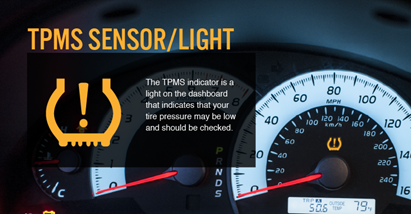
The Tire Pressure Monitoring System (TPMS) light alerts drivers about tire pressure issues. It helps maintain safe driving and good fuel efficiency.
The TPMS light can show different signals. Each signal means something different about your tires or the system.
Blinking Vs Solid Light
A blinking TPMS light means the system detects a problem with the sensors. It flashes to warn you that the sensors may not be working properly.
A solid TPMS light means one or more tires have low pressure. It stays on until the tire pressure is fixed.
Common Causes Of Blinking
Blinking usually happens when a sensor is damaged or its battery is dead. Sometimes, the system loses communication with the sensors.
Other causes include sensor malfunctions or interference from electronic devices nearby. The system needs to detect reliable signals to work correctly.
Reasons For Solid Light
A solid light often means tire pressure is below the recommended level. This can happen due to a slow leak or temperature changes.
It can also appear if tires are not inflated to the correct pressure during maintenance. Checking and adjusting tire pressure solves this issue.

Diagnosing Tpms Issues
Diagnosing TPMS issues requires careful attention to warning signals. The TPMS light blinking then turning solid can mean different problems. Understanding these signs helps keep your vehicle safe. The first step is to check the tire pressure. Next, identify if any sensor problems exist. Finally, use diagnostic tools to find exact faults.
Checking Tire Pressure
Start by measuring the pressure in all tires with a reliable gauge. Compare the readings to the manufacturer’s recommended levels, found in the owner’s manual or door sticker. Low pressure often causes the TPMS light to turn solid. Inflate the tires as needed. If the light remains on after adjustment, the problem may lie elsewhere.
Identifying Sensor Problems
TPMS sensors can fail due to battery loss or damage. A blinking light usually signals communication errors between sensors and the car’s computer. Inspect sensors for physical damage or corrosion. Sensors often fail after several years. Replacing faulty sensors restores proper function and stops warning lights.
Using Diagnostic Tools
Diagnostic scanners read TPMS codes stored in the vehicle’s system. These tools pinpoint which sensor or component causes errors. Some tools can reset the TPMS light after repairs. Mechanics and some auto parts stores offer access to these devices. Using diagnostics saves time and ensures accurate repairs.
Quick Fixes For Tpms Light
The TPMS light blinking then turning solid signals an issue with tire pressure or sensor communication. Fixing this quickly helps keep your driving safe and avoids tire damage. Many problems come from low tire pressure or sensor faults. Simple steps can solve most TPMS light problems without much hassle.
Inflating Tires Correctly
Check your tire pressure using a reliable gauge. Inflate each tire to the pressure shown on the driver’s side door placard. Avoid overinflating or underinflating the tires. Proper tire pressure stabilizes the TPMS light. After inflating, drive your car for a few minutes. This allows the system to update and stop blinking.
Resetting The Tpms System
Some vehicles need a manual reset after fixing tire pressure. Locate the TPMS reset button, often under the dashboard or in the glove box. Hold the button until the TPMS light blinks three times, then release. Drive the car for 10 to 30 minutes at speeds above 20 mph. This process helps the system relearn the new tire pressures and clears the warning light.
Replacing Faulty Sensors
Faulty sensors cause the TPMS light to blink continuously. Sensors may fail due to battery loss or damage. Visit a mechanic or tire shop to diagnose sensor health. Replacing broken sensors restores TPMS function. New sensors often come with a tool to sync with your car. Proper sensor replacement stops the blinking and keeps your tires monitored correctly.

Reset Methods By Vehicle
Resetting the TPMS light varies by vehicle make and model. Each car has a unique way to clear the blinking and solid TPMS warning. Understanding these reset methods helps you fix the issue fast. You can reset the system through the dashboard, manual buttons, or using an OBD-II scanner. These steps ensure your TPMS works properly and keeps you safe on the road.
Dashboard Reset Procedures
Many vehicles offer a reset option directly on the dashboard. This method usually involves turning the ignition on without starting the engine. Then, press and hold the TPMS or tire pressure button until the light blinks or goes off. Some cars require navigating through the settings menu to find the tire pressure reset. Check your owner’s manual for exact steps. This method is simple and does not need extra tools.
Some vehicles have a manual reset button under the steering wheel or inside the glove box. Pressing this button resets the TPMS system after adjusting tire pressures. You may need to hold the button for several seconds. The TPMS light will blink and then turn solid or off to confirm the reset. This option works well for older models or cars without dashboard reset menus.
Using Obd-ii Scanners
OBD-II scanners provide a quick way to reset the TPMS light. Connect the scanner to the vehicle’s OBD port, usually found under the dashboard. The scanner reads the TPMS codes and clears any errors after tire pressure correction. This method works for many modern cars and helps diagnose sensor problems. Some scanners also allow sensor relearning, which syncs the sensors with the car’s computer.
Autozone And Tpms Support
AutoZone offers useful support for drivers dealing with TPMS blinking then solid lights. Their services help identify issues with tire pressure monitoring systems quickly. Many car owners trust AutoZone for basic TPMS-related needs.
Understanding what AutoZone provides can save time and money. They supply tools and parts to maintain or fix TPMS problems. It is important to know the limits of their services to avoid surprises.
Diagnostic Services Offered
AutoZone provides free diagnostic scans for TPMS issues. Their scanners can read error codes from the vehicle’s computer. This helps spot sensor problems or low tire pressure warnings. They provide clear reports that guide the next steps.
These diagnostics do not reset the TPMS light. They only show what is wrong. Vehicle owners must follow the car manual or visit a mechanic for full TPMS resets.
Available Tools And Parts
AutoZone stocks TPMS sensors and replacement parts for many car models. Drivers can buy these parts and install them at home or a local shop. They also sell TPMS reset tools that help clear warning lights after repairs.
Staff members offer advice on which parts fit best. This support is handy for DIY repairs and maintenance. The availability of these items varies by store location.
Limitations Of Autozone Services
AutoZone does not perform full TPMS relearn or reset services. Complex resets often need special equipment only found at dealerships or repair shops. Their tools are mostly for reading codes and replacing parts.
Customers should be ready to follow vehicle-specific reset procedures themselves. If issues persist, professional help is necessary. AutoZone is best for diagnostics, parts, and basic support.
Preventing Future Tpms Problems
Preventing future TPMS problems helps keep your tires safe and your driving smooth. Simple care can avoid many common issues with the tire pressure monitoring system. Staying ahead of problems saves time and money. It also keeps your vehicle running efficiently and safely on the road.
Regular Tire Maintenance
Check your tire pressure at least once a month. Use a reliable tire pressure gauge for accuracy. Inflate tires to the manufacturer’s recommended levels. Rotate your tires regularly to promote even wear. Keep tires clean to prevent sensor damage. Proper tire maintenance reduces false TPMS warnings.
Sensor Battery Life
TPMS sensors use small batteries that wear out over time. Sensor batteries usually last five to ten years. Replace sensors when the battery dies to keep the system working. Avoid unnecessary sensor damage during tire changes. A dead battery causes the TPMS light to blink then stay solid.
Professional Inspections
Have a mechanic inspect your TPMS sensors during routine service. Professionals can detect sensor or wiring problems early. They can also reset the system after repairs. Regular inspections ensure your TPMS works reliably. Trust experts to keep your tire pressure system in top shape.
Frequently Asked Questions
Why Does My Tire Pressure Light Blink And Then Go Solid?
Your tire pressure light blinks when a sensor malfunctions or loses connection. It turns solid when it detects low tire pressure needing attention.
What Is The Difference Between Blinking And Solid Tpms Light?
A blinking TPMS light signals a sensor communication issue or sensor failure. A solid TPMS light warns of low tire pressure needing immediate inflation.
What Are The Signs Of A Faulty Tpms Sensor?
Signs of a faulty TPMS sensor include a flashing or solid TPMS warning light, inaccurate tire pressure readings, and no alerts during actual low pressure. The vehicle may also handle poorly or sway unexpectedly without warning signals.
Can Autozone Reset Tpms?
AutoZone sells TPMS tools, sensors, and offers diagnostic help but usually does not perform full TPMS resets. You must follow your car’s reset procedure or visit a tire shop for relearning after fixing tire pressure or sensor issues.
What Does Tpms Blinking Then Solid Light Mean?
A blinking TPMS light means a sensor is not working properly. When it turns solid, it shows low tire pressure in one or more tires. This helps warn you to check your tires soon.
Conclusion
A blinking then solid TPMS light signals different issues with your tire sensors or pressure. Check tire pressure first and inflate tires as needed. If the light keeps blinking, a sensor may be faulty or need replacement. Regularly monitor your tires to ensure safety and proper vehicle function.
Addressing TPMS alerts early helps avoid bigger problems on the road. Stay alert and maintain your tires for a smoother, safer drive.