Have you noticed your Ford’s overdrive light blinking and wondered what it means? That flashing light is more than just a warning—it’s your vehicle’s way of telling you something’s wrong with the transmission system.
Ignoring it could lead to costly repairs or even leave you stranded. But don’t worry, understanding why the overdrive light blinks and what steps to take can save you time, money, and stress. You’ll discover the common causes behind the blinking overdrive light, how to check your vehicle safely, and when to seek professional help.
Keep reading to protect your Ford and keep it running smoothly.
Causes Of Overdrive Light Blinking
The overdrive light blinking on your Ford signals a transmission problem. This warning means the system detected an issue that needs attention. Ignoring it can lead to costly repairs and poor vehicle performance. Several factors can cause the overdrive light to flash. Understanding these causes helps in quick diagnosis and repair.
Transmission Fluid Problems
Low transmission fluid can cause the overdrive light to blink. Dirty or contaminated fluid also disrupts transmission function. Using the wrong fluid type affects shifting and causes overheating. Checking fluid levels and quality is a simple first step in troubleshooting.
Sensor Malfunctions
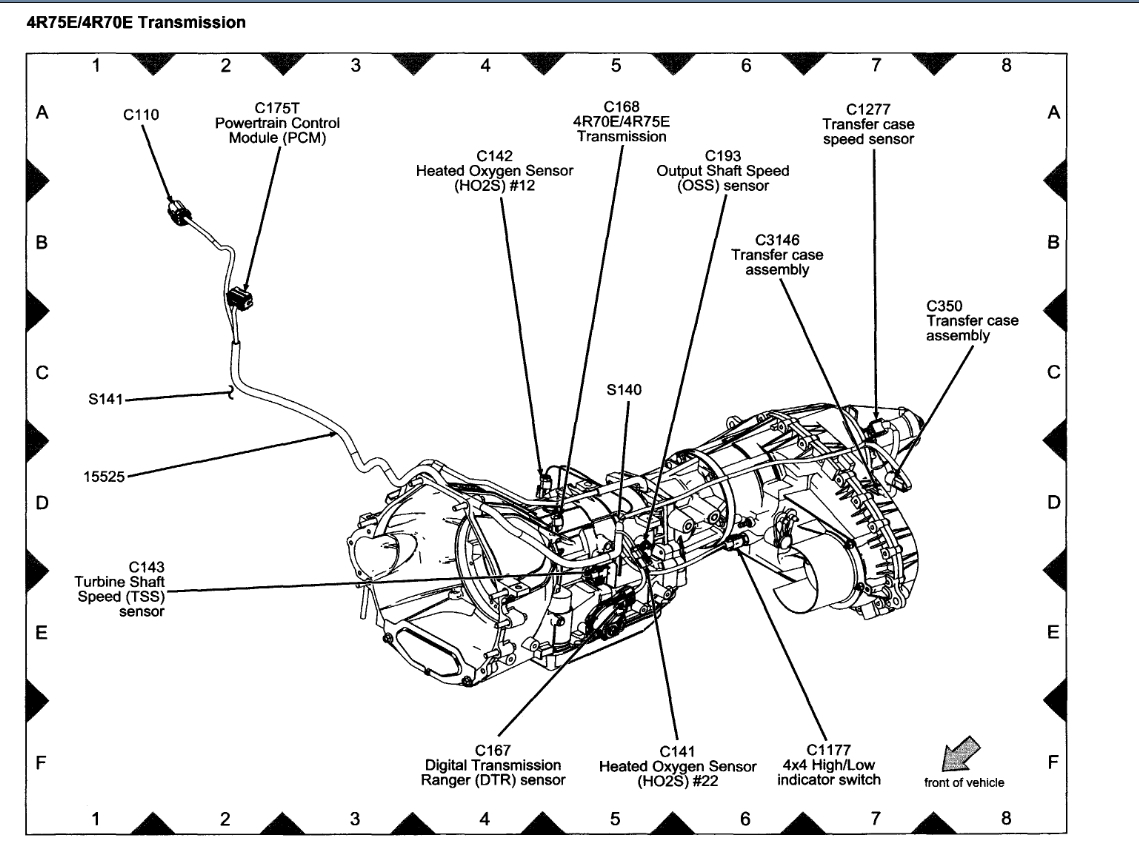
Sensors play a key role in transmission operation. A faulty vehicle speed sensor or throttle position sensor sends wrong data. This triggers the overdrive light as the system detects errors. Replacing bad sensors often resolves the blinking light issue.
Electrical Issues
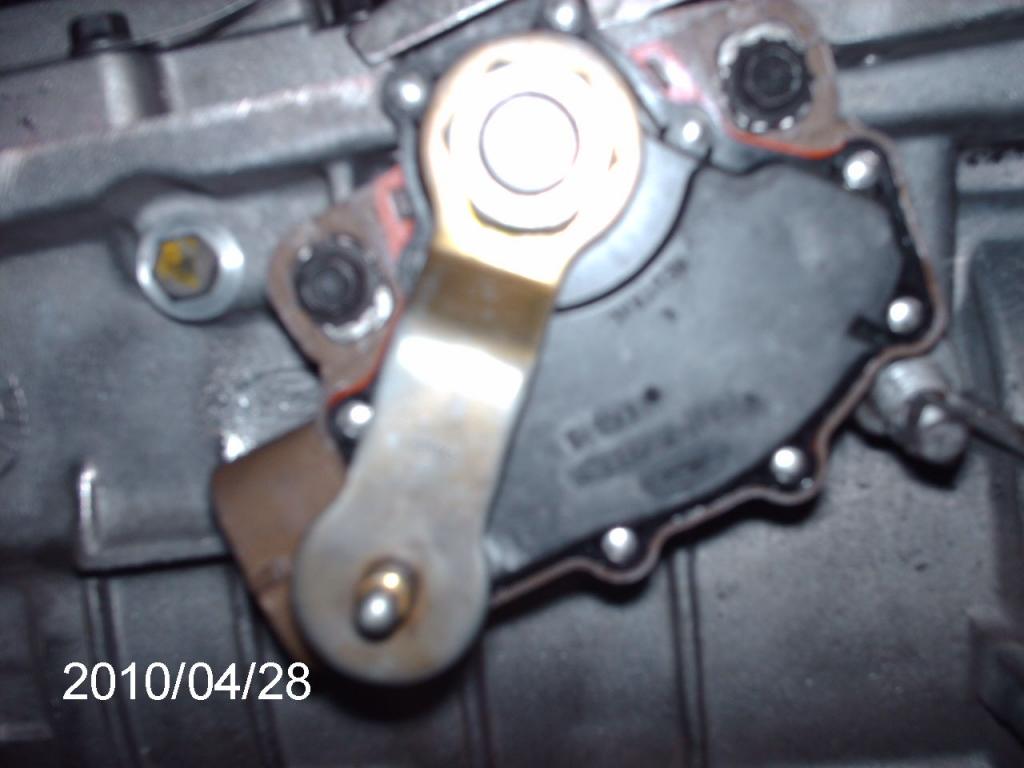
Worn or damaged wiring can cause signal problems. Corroded plugs near the transmission disrupt electrical flow. A failing transmission control module (TCM) also triggers the warning light. Inspecting and repairing wiring and connectors can fix the problem.
Solenoid Failures
Shift solenoids control gear changes in the transmission. Pressure control solenoids regulate fluid flow inside the system. When these solenoids fail, the transmission shifts poorly. The overdrive light blinks to alert the driver of this failure.
Mechanical Faults
Mechanical issues inside the transmission cause the overdrive light to blink. Problems with the torque converter or worn internal parts affect performance. These faults require professional inspection and repair to prevent serious damage.
Diagnosing The Problem
The blinking overdrive light signals a transmission issue. Diagnosing the problem early helps avoid costly repairs. This section covers key steps to find the root cause. Follow these simple checks to understand why the light blinks.
Checking Transmission Fluid
Start by examining the transmission fluid level. Low fluid can cause shifting problems and trigger the light. Check the fluid color and smell. Dark or burnt fluid means it needs changing. Use the correct fluid type recommended by Ford. Proper fluid keeps the transmission cool and lubricated.
Inspecting Wiring And Connectors
Faulty wiring often causes the overdrive light to blink. Inspect wires near the transmission for damage or wear. Look for cracked insulation or loose connectors. Corrosion on connectors can disrupt signals. Clean or replace damaged parts to restore proper function.
Using An Obd-ii Scanner
Connect an OBD-II scanner to the vehicle’s port. This device reads transmission control module data. It helps pinpoint electrical or sensor faults. Scanners are easy to use and provide quick results. Many auto parts stores offer free scanning services.
Identifying Fault Codes
After scanning, note the fault codes displayed. Each code points to a specific transmission problem. Common codes involve speed sensors, solenoids, or fluid pressure issues. Research the codes to understand the exact fault. Clear the codes after repairs and test drive to confirm the fix.
Common Fixes
The Ford overdrive light blinking signals a transmission issue. Several fixes can stop this warning. Some repairs are simple. Others may need a professional mechanic. Acting fast can prevent bigger problems and costly repairs.
Refilling Or Replacing Transmission Fluid
Transmission fluid keeps gears running smoothly. Low or dirty fluid causes shifting problems. Check the fluid level first. Add fluid if it is low. Replace old or dirty fluid. Use the correct type for your Ford model. Clean fluid helps cool the transmission and avoids damage.
Repairing Or Replacing Sensors
Sensors monitor the transmission’s performance. A bad speed sensor or throttle position sensor may cause the light to blink. Testing sensors helps find the faulty one. Repair or replace the damaged sensor. Good sensors ensure proper gear shifting and smooth driving.
Fixing Wiring And Electrical Connections
Wiring problems can trigger the overdrive light. Worn or corroded wires may send wrong signals. Inspect wires near the transmission carefully. Repair broken wires and clean corroded plugs. Tighten loose connections. Solid wiring helps the transmission control module work properly.
Replacing Faulty Solenoids
Solenoids control gear changes inside the transmission. Faulty solenoids cause rough or delayed shifting. Test the shift and pressure control solenoids. Replace any solenoid that does not work well. New solenoids restore smooth gear shifts and stop the blinking light.
Addressing Mechanical Repairs
Sometimes mechanical parts inside the transmission wear out. Problems with the torque converter or internal gears cause the light to flash. A mechanic must inspect these parts. Repair or replace the worn components. Mechanical fixes ensure the transmission runs correctly again.
Expert Tips
Experiencing the Ford overdrive light blinking can cause worry. It signals a transmission issue needing attention. Expert tips help you act wisely and protect your vehicle. Follow clear steps to avoid costly repairs and keep driving safely.
When To Stop Driving
Stop driving as soon as the overdrive light blinks rapidly. Continuing may cause severe transmission damage. Find a safe place to park and turn off the engine. Avoid forcing the car to move or shifting gears repeatedly. Call for roadside assistance or tow the vehicle to a garage.
Preventing Transmission Damage
Check transmission fluid regularly to keep it clean and at the right level. Use the fluid type recommended by Ford for your model. Avoid aggressive driving that stresses the transmission. Pay attention to changes in shifting or strange noises. Early action prevents expensive repairs and extends transmission life.
Choosing A Reliable Mechanic
Choose a mechanic with experience in Ford transmissions. Look for certified technicians and positive customer reviews. Ask if they use proper diagnostic tools like OBD-II scanners. A skilled mechanic finds the exact problem and fixes it correctly. Avoid shops that guess or suggest unnecessary repairs.
Regular Maintenance Advice
Schedule transmission service according to your owner’s manual. Replace transmission fluid and filters on time. Inspect wiring and sensors during routine checks. Keep the cooling system in good shape to prevent overheating. Proper maintenance keeps the overdrive system working smoothly and reduces warning lights.
Safety Considerations
Safety is the top priority when the Ford overdrive light starts blinking. This warning signals a possible problem with the transmission. The vehicle may limit its power to protect itself. Understanding the risks and knowing the right steps can prevent damage and keep everyone safe on the road.
Understanding Limp Mode
Limp mode activates to protect the transmission from further damage. It limits the vehicle’s speed and shifts to a single gear. This mode allows you to drive slowly to a safe place. The engine runs with reduced power to avoid a breakdown. Limp mode is a clear sign that the transmission needs attention.
Risks Of Ignoring The Warning
Ignoring the blinking overdrive light can cause serious damage. The transmission may overheat or fail completely. Driving with a faulty transmission can lead to sudden stalling. This creates dangerous situations, especially on busy roads. Repair costs rise if the problem gets worse. Safety risks increase for the driver and passengers.
Immediate Actions To Take
Stop the vehicle safely as soon as possible. Check the transmission fluid level and condition. Low or dirty fluid often causes the problem. Avoid driving long distances until the issue is fixed. Use a diagnostic tool to read error codes. Take the car to a trusted mechanic for a full inspection. Acting quickly can save money and protect your safety.
Frequently Asked Questions
What Does It Mean When The Overdrive Light Keeps Blinking?
A blinking overdrive light signals a transmission issue detected by the control module. Common causes include low or dirty fluid, faulty sensors, solenoid failure, or wiring problems. Stop driving and have a mechanic diagnose and fix it to avoid serious damage.
Can I Still Drive If The D Light Is Blinking?
A blinking D light signals a transmission fault. Stop driving soon and check fluid, wiring, or consult a mechanic to prevent damage.
Can You Drive With An Od Off Light On?
You can drive with the OD off light on, but avoid long trips. It indicates transmission issues needing prompt attention to prevent damage.
How To Reset Od Off Light?
To reset the OD off light, check and top off transmission fluid, clear error codes with an OBD-II scanner, then restart your vehicle. If the light stays on, consult a mechanic to inspect sensors and wiring.
What Does A Blinking Ford Overdrive Light Mean?
A blinking overdrive light shows a transmission problem detected by your car’s system. It often signals low fluid, sensor failure, or wiring issues. Immediate attention can prevent serious damage.
Conclusion
A blinking Ford overdrive light signals a transmission issue. Check the fluid level and condition first. Look for damaged wiring or corroded plugs near the transmission. Use an OBD-II scanner to find specific fault codes. Stop driving if the light blinks to avoid more damage.
Have a trusted mechanic inspect sensors and solenoids. Quick action can prevent expensive repairs later. Stay alert to keep your vehicle running smoothly and safely.