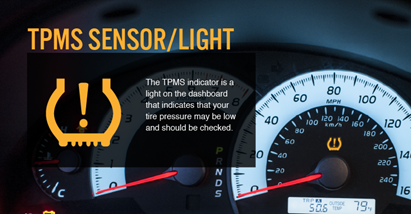
If you’ve noticed your Toyota’s TPMS light blinking, you’re probably wondering what it means and what to do next. That blinking tire pressure warning can be more than just an annoyance—it’s your car’s way of telling you something important about your tires and safety.
Ignoring it could lead to poor fuel efficiency, uneven tire wear, or even a blowout. But don’t worry—this article will guide you step-by-step on why the TPMS light blinks, what it signals about your Toyota, and how you can fix it quickly and affordably.
Keep reading to take control of your vehicle’s health and keep your drives safe and smooth.
Causes Of Tpms Light Blinking
The Toyota TPMS light blinking signals a problem with the tire pressure monitoring system. This warning helps keep the vehicle safe by alerting drivers to issues. Various factors cause the light to blink, indicating different underlying problems. Understanding these causes helps diagnose and fix the issue quickly. Below are the common reasons behind the TPMS light blinking in Toyota vehicles.
Low Tire Pressure
Low tire pressure is the most frequent cause of the TPMS light blinking. Tires lose air naturally over time. Driving on underinflated tires affects vehicle handling and fuel economy. The system detects pressure below the recommended level and triggers the warning light.
Faulty Tpms Sensors
TPMS sensors can fail due to damage or wear. Faulty sensors send incorrect signals to the car’s computer. This causes the light to blink or stay on. Sensor issues require inspection and possible replacement to restore proper function.
Sensor Battery Drain
Each TPMS sensor has a small battery inside. Over time, these batteries drain and lose power. A dead sensor battery stops communication with the system. The blinking light indicates the sensor needs a new battery or full replacement.
Tire Rotation Or Replacement
Rotating or replacing tires can confuse the TPMS system. Sensors may not reset automatically after these changes. The light blinks to warn the driver to reset or recalibrate the sensors manually or at a service center.
Temperature Fluctuations
Cold weather causes tire pressure to drop. This drop triggers the TPMS light to blink as the system senses low pressure. Sudden temperature changes can cause temporary blinking, which may stop after driving and warming the tires.
Electrical Issues
Electrical faults in the TPMS system can cause the light to blink. Wiring problems or software glitches disrupt sensor communication. Diagnosing electrical issues often requires professional tools and expertise to fix the underlying cause.
Finding the TPMS reset button in a Toyota is key to fixing a blinking TPMS light. The reset button location varies by model and year. Knowing common spots helps you reset the system fast. This guide covers four places to check in your vehicle.
Dashboard And Kick Panel
Many Toyota models have the TPMS reset button near the dashboard or kick panel. Look below the steering wheel on the left side. It may be a small, black button labeled “TPMS” or “SET.” Press and hold it for a few seconds to start the reset process.
Glove Box
Some Toyota vehicles place the reset button inside the glove box. Open the glove box fully and check the inner walls. The button can be hidden near the fuse box or mounted on the glove box frame. Press and hold it to reset the TPMS light.
Infotainment Screen
Newer Toyota models may use the infotainment screen to reset the TPMS. Navigate to the settings menu on the touchscreen. Find the “Vehicle Settings” or “Tire Pressure” section. Follow the on-screen prompts to complete the reset.
Instrument Cluster
In some cases, the TPMS reset function is integrated into the instrument cluster. Turn the ignition on without starting the engine. Use the steering wheel controls to access the menu. Find the TPMS reset option and select it to clear the warning light.
Step-by-step Tpms Reset Process
The Toyota TPMS light blinking signals a tire pressure issue or sensor malfunction. Resetting the TPMS system clears the warning and restores proper monitoring. Follow this step-by-step TPMS reset process to fix the blinking light safely and quickly.
Each step ensures the system recalibrates correctly. This helps avoid false alerts and keeps your driving safe.
Preparing Your Vehicle
Park your Toyota on a flat surface. Turn off the engine and keep the ignition off.
Check all tires for proper inflation. Use a tire pressure gauge to verify correct pressure levels.
Adjust tire pressures if needed. Proper pressure is key for the reset to work.
Make sure the spare tire is also properly inflated if your vehicle monitors it.
Turn the ignition to the “ON” position without starting the engine.
Locate the TPMS reset button. It is usually under the steering wheel or near the glove box.
Press and hold the reset button until the TPMS light blinks three times, then release it.
The blinking means the system is resetting. Wait a few seconds for the process to start.
Driving To Complete Reset
Start driving your Toyota at speeds above 25 mph. Keep driving for about 10 to 15 minutes.
This allows the sensors to relearn the correct tire pressures. The system updates while the car moves.
A smooth drive on a flat road helps the reset complete successfully.
Confirming Light Turn Off
After driving, park your vehicle and turn off the engine.
Restart the car and check the dashboard. The TPMS light should be off or steady.
If the light still blinks, repeat the reset process or inspect for sensor issues.
A steady TPMS light means the system is active and monitoring correctly.
Fixes For Blinking Tpms Light
The Toyota TPMS (Tire Pressure Monitoring System) light blinking signals a problem with your tire pressure sensors or related systems. Fixing this issue quickly helps keep your vehicle safe and running smoothly. Several common fixes target the root causes of the blinking light. Understanding these solutions can save time and prevent further damage.
Checking And Adjusting Tire Pressure
Start by checking the air pressure in all tires. Use a reliable tire pressure gauge for accuracy. Inflate or deflate tires to the recommended pressure found in the owner’s manual or on the door frame sticker. Proper tire pressure often stops the TPMS light from blinking. This step is simple and solves many TPMS warnings.
Replacing Faulty Sensors
TPMS sensors can fail over time due to battery loss or damage. Faulty sensors cause the warning light to blink continuously. Replacing these sensors with new, compatible parts restores proper function. Ensure the new sensors fit your Toyota model. Professional help may be needed to install and program the replacements.
Reprogramming Sensors
Sometimes the sensors lose synchronization with your vehicle’s system. Reprogramming the TPMS sensors resets the connection and clears the blinking light. This task requires a special TPMS tool or scanner. Many tire shops or dealers offer this service quickly and efficiently. Reprogramming often resolves false alerts.
Addressing Electrical Problems
Electrical issues can also cause the TPMS light to blink. Problems like blown fuses, wiring faults, or module failures interfere with sensor signals. Inspect the vehicle’s electrical system for visible damage or loose connections. Repairing or replacing faulty electrical parts restores proper TPMS operation. This fix may require a mechanic’s expertise.
Cost Factors For Tpms Sensor Replacement
Replacing a Toyota TPMS sensor involves several cost factors. Understanding these helps you plan your budget better. Prices vary based on labor, sensor type, vehicle model, and timing of the service. Each element affects the total expense differently. Knowing these can save money and avoid surprises.
Labor Charges
Labor costs depend on the service center’s hourly rates. Dealerships usually charge more for labor than local tire shops. Some shops waive labor fees if you buy tires there. Labor includes removing, installing, and programming sensors. Expect higher charges if your vehicle needs special tools or extra time.
Oem Vs Aftermarket Sensors
Original Equipment Manufacturer (OEM) sensors cost more than aftermarket options. OEM sensors match your Toyota’s specifications exactly. Aftermarket sensors are cheaper but may have limited compatibility. Some cheap sensors might fail to program correctly. Choosing OEM ensures quality but increases the replacement cost.
Vehicle Model Influence
Luxury or newer Toyota models often have complex TPMS systems. These require special sensors and programming tools. Older or basic models use simpler sensors, lowering costs. The vehicle’s make and model affect both parts price and labor time. Some models need extra steps, increasing the overall expense.
Timing And Combining With Tire Service
Replacing TPMS sensors during tire replacement cuts costs. Labor for removing and mounting tires overlaps with sensor installation. This saves time and reduces labor charges. Delaying sensor replacement means paying for labor twice. Plan sensor replacement along with tire service for best value.
Budget-friendly Tpms Repair Tips
Dealing with a blinking TPMS light on your Toyota can feel costly. Repairs often seem expensive but there are budget-friendly ways to fix the problem. Simple strategies help save money without sacrificing safety. These tips focus on comparing prices, buying sensors wisely, and doing some work yourself.
Comparing Service Quotes
Start by getting multiple service quotes. Visit local tire shops, dealerships, and national chains. Ask for detailed pricing on parts and labor. Comparing helps find the best deal nearby. Sometimes smaller shops offer better prices than dealerships. This small step can cut costs significantly.
Buying Sensors Online
Buy TPMS sensors online to save money. Online stores often sell sensors cheaper than shops. Choose sensors compatible with your Toyota model. Check reviews to avoid low-quality parts. Buying online means you control when and where to buy. This lowers the price before paying for installation.
Diy Sensor Installation
Installing sensors yourself lowers repair costs further. Basic tools and instructions are available online. Replace old sensors with new ones carefully. Follow safety steps to avoid damage. DIY installation saves labor fees. It suits anyone willing to try simple car maintenance.
Using Tpms Tools For Programming
TPMS sensors need programming to work properly. Purchase or rent a TPMS tool for this task. These tools help activate and sync sensors quickly. Using a programming tool avoids expensive shop fees. Some tools are user-friendly and come with guides. Programming yourself completes the repair at low cost.
Expert Advice To Prevent Tpms Issues
Preventing Toyota TPMS light blinking starts with good care habits. Proper attention to tires and sensors keeps the system working well. Small steps can avoid major problems later.
Follow expert advice to keep your TPMS in top shape and ensure safe driving.
Regular Tire Maintenance
Check tires for wear and damage often. Rotate tires every 5,000 to 7,000 miles. Proper alignment and balancing extend tire life. Replace tires before they become unsafe. Clean rims to avoid sensor interference.
Monitoring Tire Pressure
Use a reliable gauge to check pressure monthly. Keep tires inflated to the recommended PSI. Under or overinflation triggers the TPMS light. Adjust pressure when the tires are cold. Record readings to spot slow leaks early.
Scheduled Sensor Checks
Inspect TPMS sensors during tire services. Replace sensors every 5 to 10 years or as needed. Sensors have batteries that wear out over time. Use professional tools to test sensor signals. Fix sensor faults promptly to prevent warning lights.
Avoiding Extreme Temperature Effects
Heat and cold affect tire pressure and sensor function. Park in shaded areas during hot weather. In winter, check pressure more often. Sudden temperature changes can cause false alerts. Drive gently in freezing conditions to protect sensors.


Frequently Asked Questions
How Do You Fix A Blinking Tire Pressure Light On A Toyota?
Check tire pressures and inflate to recommended levels. Inspect tires for damage. Reset the TPMS using the “SET” button or infotainment system. Replace faulty sensors if blinking continues. Drive the vehicle to complete the reset process.
What Is The Average Cost To Replace Tpms Sensors?
The average cost to replace TPMS sensors ranges from $50 to $150 per sensor. Labor fees vary by shop. Buying sensors online can reduce expenses. Replacing sensors during tire changes saves labor costs. Luxury vehicle sensors may cost more. Always compare local and dealership prices.
The TPMS reset button on a Toyota is usually under the steering wheel or near the driver’s kick panel. Some models reset via the infotainment screen. Turn ignition on, press and hold the button until the light blinks, then drive to complete reset.
Why Is My Tpms Sensor Blinking?
Your TPMS sensor blinks due to low tire pressure, sensor malfunction, or battery failure. It signals the system needs attention.
What Does A Blinking Toyota Tpms Light Mean?
A blinking TPMS light shows a problem with the tire pressure sensors. It can mean a sensor is faulty or the system needs resetting. This warning should not be ignored.
Conclusion
The Toyota TPMS light blinking signals a tire pressure issue. Checking your tires regularly helps avoid unsafe driving conditions. Resetting or repairing the sensor can stop the blinking light. Addressing the problem early keeps your vehicle safe and efficient. Always follow the correct steps to fix TPMS alerts.
Staying alert prevents bigger issues and costly repairs later. Keep your Toyota’s tires in good shape for smooth rides. A blinking TPMS light is a clear sign to act soon.