Have you ever noticed your TPMS light blinking on your dashboard and wondered what it means? That little light is trying to tell you something important about your tires—and ignoring it could put your safety at risk.
A blinking TPMS light usually signals an urgent issue, like low tire pressure or a problem with the tire pressure monitoring system itself. But don’t worry—you’re about to learn exactly what this warning means and what steps you should take right now to protect yourself and your vehicle.
Keep reading to find out why the TPMS light blinks, how to fix it, and when you need professional help. Your safety on the road depends on it!
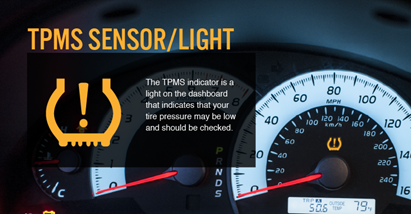
Blinking Tpms Light Meaning
The blinking TPMS light on your dashboard is more than just a warning. It signals a specific issue related to your vehicle’s tire pressure monitoring system. Understanding what this blinking means helps keep you safe on the road. The light’s behavior points to either an urgent tire pressure problem or a system malfunction.
Urgent Tire Pressure Alert
A blinking TPMS light often means one or more tires have very low pressure. This situation can cause poor handling and increase the risk of a tire blowout. Driving with low tire pressure reduces fuel efficiency and tire lifespan. Check your tire pressure immediately using a reliable gauge. Inflate tires to the manufacturer’s recommended level. Addressing this alert quickly prevents accidents and costly repairs.
System Malfunction Signals
The blinking light can also indicate a problem with the TPMS itself. Sensors may have dead batteries or be damaged. Wiring issues or a faulty control module can cause the system to fail. A malfunctioning TPMS cannot accurately monitor tire pressure. This makes it unsafe to ignore the blinking light. A professional mechanic can diagnose and fix TPMS sensor faults or system errors. Regular system checks ensure your TPMS works correctly for safe driving.
Common Causes
The blinking TPMS light warns of problems with your tire pressure monitoring system. Understanding common causes helps you act fast. This prevents unsafe driving and costly repairs.
Below are key reasons why the TPMS light blinks. Each cause affects the system differently but needs attention.
Temperature Effects
Cold weather lowers tire pressure, causing the TPMS light to blink. Tires lose air as temperatures drop overnight. The system detects this as a warning.
Warming the tires or inflating them to the right pressure stops the blinking. Sudden temperature changes often trigger false alerts.
Slow Tire Leaks
Small leaks from nails, screws, or valve stems reduce pressure gradually. The TPMS light blinks to alert you of this slow loss. It is a sign to check tires carefully.
Ignoring slow leaks can cause flat tires or unsafe driving conditions. Fix leaks quickly to keep tire pressure stable.
Sensor Battery Issues
TPMS sensors use batteries that wear out over time. A weak battery causes the sensor to send faulty signals. The light blinks to indicate sensor problems.
Replacing sensor batteries or the entire sensor solves this issue. It keeps the TPMS system reliable and accurate.
Faulty Tpms Sensors
Damage or defects in TPMS sensors cause them to malfunction. Faulty sensors send wrong data, making the light blink. This can happen after tire changes or impacts.
Mechanics can test and replace bad sensors. This restores proper TPMS function and stops the warning light.
Tires Appear Fine But Light On
The TPMS light blinking while your tires look fine can confuse many drivers. It warns of a problem, but the tires seem normal at first glance. This mismatch means the issue might not be obvious.
Checking the tire pressure with a gauge is the first step. If the pressure is okay, other causes could be behind the blinking light. Some problems hide beneath the surface.
Hidden Leaks
Slow leaks can cause the TPMS light to blink. These leaks are too small to notice without a pressure gauge. They often happen at the valve stem or tire bead area. Over time, the tire loses air, triggering the warning. Driving with a slow leak can damage the tire and reduce safety.
Sensor Malfunctions
TPMS sensors have batteries that wear out. A dead or weak battery can cause the light to blink. Sensors can also fail due to damage or dirt. A malfunctioning sensor sends wrong signals to the car’s computer. This causes the warning light to turn on even if the tires are okay.
System Calibration Needs
After tire changes or rotations, the TPMS may need resetting. Temperature changes can also affect the system. Cold weather lowers tire pressure, confusing the sensors. The system must be recalibrated to match new conditions. Without this step, the light may blink despite correct tire pressure.
Safety Risks Of Ignoring Light
The blinking TPMS light signals a tire pressure problem or sensor fault. Ignoring this warning creates serious safety risks. It affects how your vehicle drives and can cause tire damage. Understanding these risks helps you act fast and avoid accidents or costly repairs.
Impact On Vehicle Handling
Low tire pressure reduces grip on the road. Your car may feel unstable during turns or sudden stops. Steering response slows down, increasing the chance of losing control. This is dangerous on wet or icy roads. Uneven tire pressure also causes uneven braking, raising the risk of collisions.
Potential For Tire Damage
Driving with low pressure causes tires to wear out faster. The tire sidewalls can overheat and weaken. This leads to bulges or blowouts, which can cause accidents. Underinflated tires also lower fuel efficiency, costing you more money. Timely attention to the TPMS light prevents these tire problems.
Checking Tire Pressure
Checking tire pressure is the first step when the TPMS light blinks. The light signals an issue with your tire pressure or the system itself. Proper tire pressure keeps your vehicle safe and running smoothly. Low pressure can cause poor handling and increase tire wear. Use a tire pressure gauge to measure each tire’s pressure accurately. Check the pressure when the tires are cold for the best reading. Always follow the pressure recommendations found in your vehicle’s manual or door frame sticker.
Using A Reliable Gauge
A reliable tire pressure gauge gives accurate readings. Avoid guessing or using old, worn-out gauges. Digital gauges often provide more precise results than analog ones. Check the gauge’s calibration regularly to maintain accuracy. Measure the pressure at the valve stem by pressing the gauge firmly. Listen for any hissing sound that shows air escaping. Record each tire’s pressure and compare it to the recommended PSI. Inflate or deflate tires as needed to reach the correct level.
Including The Spare Tire
Many drivers forget the spare tire during pressure checks. A flat spare can leave you stranded in an emergency. Check the spare tire’s pressure along with the main tires. Spare tires usually require a higher pressure than regular tires. Find the correct pressure in your vehicle’s manual. Keep the spare properly inflated to ensure it is ready when needed. Regularly inspect the spare for damage or wear while checking pressure.
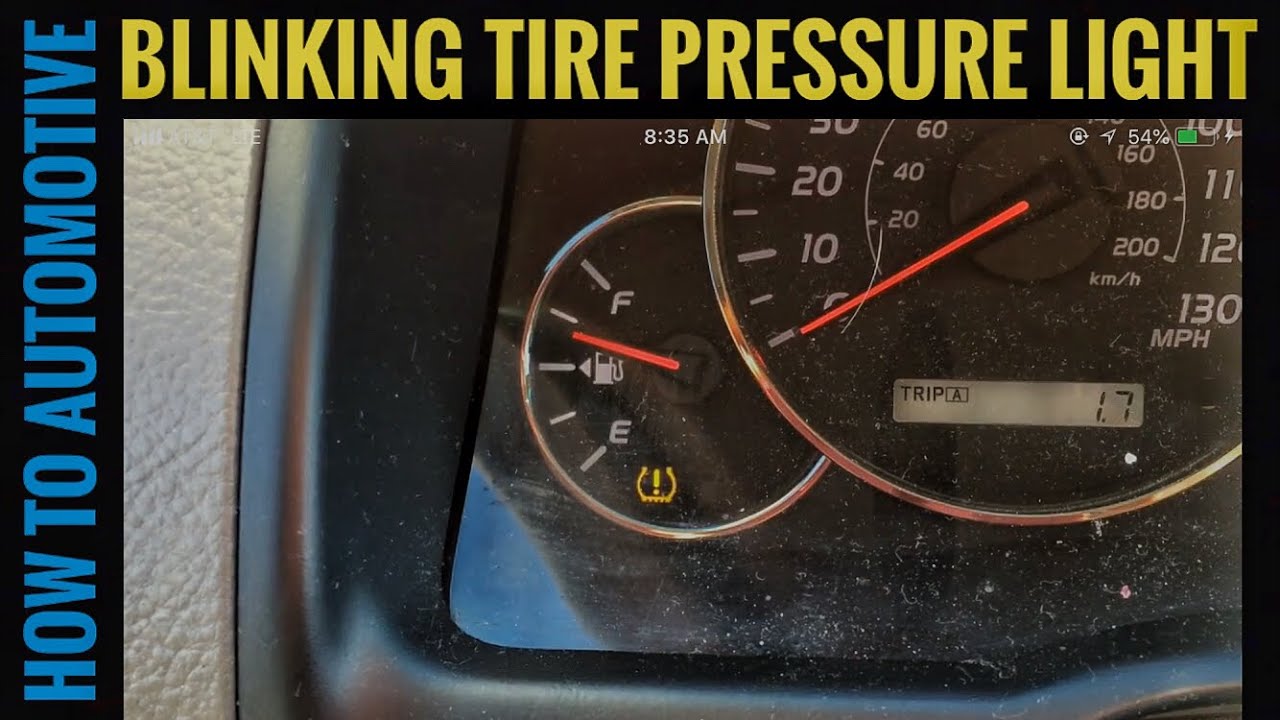
Resetting The Tpms Light
Resetting the TPMS (Tire Pressure Monitoring System) light is a key step after correcting tire pressure or addressing sensor issues. This process helps clear the warning and ensures the system works correctly. Different vehicles have unique reset methods, so knowing your car’s procedure is important. Below are common ways to reset the TPMS light effectively.
Manual Reset Procedures
Many cars have a manual reset option for the TPMS light. Start by turning the ignition on without starting the engine. Locate the TPMS reset button, usually under the steering wheel or in the glove box. Press and hold this button until the TPMS light blinks three times, then release. Drive the vehicle for about 10 minutes at speeds above 30 mph. The light should turn off, signaling a successful reset.
Using Reset Buttons
Some vehicles come with a dedicated reset button for the TPMS system. After adjusting tire pressure, turn the ignition on. Press and hold the reset button until the light flashes. This action tells the system to relearn the tire pressures. Wait a few minutes while the car records the new data. The blinking light should stop, indicating the reset is complete. This method is simple and quick for many drivers.
Battery Disconnect Method
Disconnecting the car battery can reset the TPMS system in some cases. First, turn off the ignition and open the hood. Remove the negative battery cable using a wrench. Wait about 15 minutes to let the system reset. Reconnect the battery cable and tighten it securely. Turn the ignition on and check if the TPMS light is off. This method can also reset other electronic systems in the vehicle.
When To Seek Professional Help
The blinking TPMS (Tire Pressure Monitoring System) light signals a problem with your tire pressure or the system itself. Some issues you can fix by checking tires or resetting the system. Other times, the problem needs a professional’s attention. Knowing when to seek help keeps your car safe and running well.
Persistent Warning Lights
If the TPMS light keeps blinking after you check and inflate your tires, it means the problem is not fixed. Persistent blinking shows a deeper issue. This could be a sensor malfunction or wiring problem. Driving with a constant warning light risks tire damage or unsafe handling. A technician can diagnose the root cause and stop the blinking light.
Sensor Replacement Needs
TPMS sensors have batteries that die after a few years. A blinking light might mean a dead or damaged sensor. Sensors can also fail due to impact or corrosion. A professional can test each sensor and replace the faulty ones. Replacing sensors restores the system’s ability to monitor tire pressure correctly. This helps avoid unsafe driving conditions and costly tire problems.
Frequently Asked Questions
What Does It Mean If Your Tpms Light Is Blinking?
A blinking TPMS light signals a system malfunction or urgent tire pressure issue. Check tire pressure immediately. A sensor or battery may fail. Address the problem promptly to ensure vehicle safety and proper handling.
Is It Safe To Drive With A Blinking Tire Pressure Light?
A blinking tire pressure light signals a serious issue with tire pressure or sensor malfunction. Avoid driving; check and fix immediately to ensure safety.
Why Are Tpms Lights On But Tires Are Fine?
TPMS lights can stay on due to slow leaks, faulty sensors, or system glitches. Check tire pressure with a reliable gauge and reset the system. Persistent lights may require sensor repair or replacement by a mechanic.
How Much Does It Cost To Fix Tpms?
Fixing a TPMS typically costs between $50 and $200 per sensor. Prices vary by vehicle and repair type.
What Does A Blinking Tpms Light Indicate?
A blinking TPMS light signals a problem with the tire pressure monitoring system. It may mean low tire pressure or a sensor malfunction. This warning should not be ignored.
Conclusion
A blinking TPMS light signals a problem with your tire pressure system. It may mean low tire pressure or a sensor malfunction. Check your tire pressures using a reliable gauge right away. Proper tire pressure keeps your vehicle safe and running smoothly.
If the light keeps blinking after you inflate tires, the sensor might need repair or replacement. Don’t ignore this warning. Addressing the issue quickly helps avoid bigger problems and keeps your driving safe. Stay alert and maintain your tires regularly to prevent TPMS warnings.