If you’ve noticed your Toyota’s TPMS light blinking, you’re probably wondering what it means and if you should be worried. That flashing tire pressure warning isn’t just a random signal—it’s your car’s way of telling you something needs attention.
Ignoring it could put your safety at risk and lead to costly repairs down the road. You’ll learn exactly why the TPMS light blinks, what common issues cause it, and simple steps you can take to fix the problem quickly.
Keep reading to make sure your Toyota stays safe and your drive stays smooth.
Causes Of Blinking Tpms Light
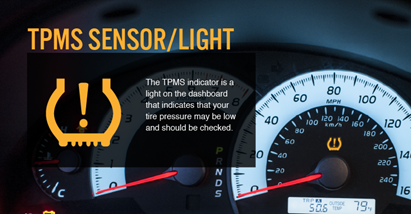
The blinking TPMS (Tire Pressure Monitoring System) light on a Toyota signals a problem with the tire pressure sensors or the system itself. This warning should not be ignored. It means the system cannot properly monitor your tire pressure. Several factors can cause the light to blink, each affecting your vehicle’s safety and performance.
Sensor Malfunction
Faulty or damaged sensors often cause the TPMS light to blink. Sensors can fail due to physical damage or manufacturing defects. A malfunctioning sensor cannot send accurate tire pressure data to the car’s computer. This disrupts the system’s ability to monitor tire pressure correctly.
Low Tire Or Spare Pressure
Low pressure in any tire, including the spare, triggers the blinking light. Some Toyota models have sensors on the spare tire too. Even slight pressure drops can cause the system to alert the driver. Regular pressure checks prevent this issue and keep tires safe.
Battery Issues In Sensors
TPMS sensors use small batteries to operate. Over time, these batteries lose power and fail. A weak or dead battery stops the sensor from communicating with the system. This leads to the blinking light, signaling sensor battery replacement is needed.
System Communication Errors
Errors in the system’s control module or wiring can cause the light to blink. Loose connections or damaged wires interrupt the data flow from sensors. The system cannot receive or process tire pressure information correctly. Repairing wiring or resetting the module often solves this problem.
Extreme Temperature Effects
Very hot or cold weather affects tire pressure and sensor function. Cold temperatures cause tires to lose air, triggering the TPMS light. Heat can damage sensor batteries or electronics. Extreme weather stresses the system, causing temporary or persistent blinking warnings.
Diagnosing The Problem
Diagnosing the problem with a blinking TPMS light on your Toyota requires a clear approach. This warning signals an issue with the tire pressure monitoring system. Early diagnosis can prevent further damage or unsafe driving conditions.
Start by understanding the common causes of the blinking light. It can be due to low tire pressure, sensor problems, or system malfunctions. Each cause needs specific checks and tools.
Checking Tire Pressures
Use a reliable tire pressure gauge. Check all four tires and the spare tire if your Toyota has a sensor there. Compare the readings with the recommended PSI found on the door jamb. Inflate or deflate tires as needed. Incorrect pressure is the most common cause of the TPMS light blinking.
Inspecting The Spare Tire Sensor
Some Toyota models include a sensor in the spare tire. This sensor can cause the light to blink if the spare is underinflated or faulty. Inspect the spare tire pressure carefully. If the spare is not in use, ensure its sensor is still functional or consider disabling it if possible.
Testing Sensor Batteries
TPMS sensors have small batteries that can fail over time. A weak or dead battery causes the sensor to stop sending signals. Use a TPMS sensor tester to check battery health. Replace sensors with dead batteries. This step often resolves blinking light issues.
Using Diagnostic Tools
Advanced tools can read TPMS codes directly. Connect an OBD-II scanner with TPMS capabilities to your Toyota’s diagnostic port. The tool will show error codes and sensor status. These codes guide precise repairs. Some scanners can reset the TPMS light after fixing the problem.
Fixing The Tpms Light
Fixing the TPMS light on your Toyota is essential for safe driving. The blinking light often points to issues with tire pressure or the sensor system. Addressing the problem quickly can prevent tire damage and improve fuel efficiency.
Several steps can help resolve the TPMS warning. Some fixes are simple, like adjusting tire pressure. Others may require resetting the system or replacing parts. Understanding each method helps keep your vehicle safe and roadworthy.
Inflating Tires To Correct Psi
Check the tire pressure with a reliable gauge. Inflate each tire to the recommended PSI shown on the driver’s door jamb. Don’t forget the spare tire if your model has a sensor. Proper tire pressure often stops the TPMS light from blinking.
Resetting The Tpms System
Locate the TPMS reset button inside your Toyota. It may be under the steering wheel or near the glove box. Turn the ignition on and press the button until the light blinks slowly three times. This process recalibrates the system and clears minor errors.
Replacing Faulty Sensors
Faulty sensors cause the TPMS light to blink continuously. Sensors can fail due to battery issues or damage. Replace any broken sensors at a trusted auto shop. New sensors restore accurate tire pressure readings and stop warnings.
Repairing Wiring Or Module Issues
Wiring problems or module faults may trigger the blinking TPMS light. Inspect the wiring harness for damage or loose connections. A professional mechanic can diagnose and repair these electrical issues. Fixing wiring restores proper communication within the TPMS system.
Resetting Tpms On Toyota
Resetting the Tire Pressure Monitoring System (TPMS) on your Toyota helps clear warning lights after fixing tire pressure issues. The process is simple and saves time. It ensures the system recognizes correct tire pressure and stops blinking.
Knowing how to reset TPMS prevents unnecessary visits to the mechanic. It also keeps your tires in good shape and your drives safe. Here is a guide to help you reset the TPMS on your Toyota quickly.
Locating The Reset Button
The TPMS reset button is often under the steering wheel. Sometimes, it is inside the glove box or on the lower part of the dashboard. Check your owner’s manual for the exact spot. Finding this button is the first step to reset the system.
Step-by-step Reset Procedure
Turn the ignition to the “on” position without starting the engine. Press and hold the TPMS reset button until the TPMS light blinks slowly three times. Release the button. Wait for a few minutes while the system recalibrates. Drive your Toyota at a speed above 20 mph for about 10 minutes. The TPMS light should turn off if the system resets correctly.
When To Visit A Professional
If the TPMS light keeps blinking after the reset, a sensor might be faulty. Low tire pressure in the spare tire can also cause issues. Visit a Toyota service center if the light stays on. Professionals can diagnose and fix sensor or wiring problems. Regular checks avoid bigger problems and keep your car safe.
Expert Tips For Maintenance
Maintaining your Toyota’s TPMS system is key to avoiding blinking warning lights. Proper care ensures accurate tire pressure readings. It also prevents sensor malfunctions and extends sensor life. Follow these expert maintenance tips to keep your TPMS working smoothly and your drives safe.
Regular Tire Pressure Checks
Check tire pressure at least once a month. Use a reliable tire pressure gauge for accuracy. Inflate tires to the manufacturer’s recommended PSI, found on the driver’s door jamb. Incorrect pressure can trigger the TPMS light to blink. Don’t forget to check the spare tire if your model has a sensor in it.
Seasonal Sensor Care
Temperature changes affect tire pressure and sensor performance. In cold seasons, pressure drops and sensors may misread. Warm seasons can cause overinflation. Inspect sensors for dirt or damage regularly. Clean sensors gently with a soft cloth to remove debris. This helps sensors send correct signals to your vehicle’s system.
Avoiding Common Tpms Mistakes
Do not ignore a blinking TPMS light. It usually signals a sensor or system issue. Avoid overinflating or underinflating tires, which confuse the sensors. Reset the TPMS only after adjusting tire pressure properly. Using cheap or incompatible replacement sensors can cause errors. Always choose sensors designed for your Toyota model.
When To Replace Sensors
TPMS sensors have batteries that last about 5 to 10 years. A blinking light may indicate a dead sensor battery. Replace sensors if the light stays on after tire pressure checks. Faulty sensors also cause signal loss and false alerts. Have a professional inspect and replace sensors as needed to maintain system reliability.

Cost And Diy Considerations
The TPMS light blinking on a Toyota signals a need for attention. Understanding the cost and DIY options helps you decide the best approach. Repairing or replacing sensors involves varying expenses and effort. Some fixes are simple, while others require professional tools or knowledge.
Average Replacement Costs
Replacing a single TPMS sensor usually costs between $50 and $100. Labor charges add another $50 to $100 depending on the shop. Full sensor replacement for all tires can reach $300 to $400. Prices vary by location and Toyota model. Sensor batteries last 5 to 10 years, so replacement timing affects cost.
Diy Sensor Replacement
DIY replacement saves labor costs but needs proper tools. You must remove the tire to access the sensor on the rim. A tire changing machine or a strong hand is often required. Sensors need programming to sync with the car’s system. Some models allow self-programming with a reset button. Follow safety steps to avoid damaging tires or sensors.
Using Autozone And Other Services
AutoZone offers TPMS sensor sales and installation services. Many locations provide free sensor programming or reset tools. They also help diagnose sensor problems at no cost. Other auto parts stores may offer similar help. Using these services lowers expenses and avoids complex DIY steps. Check local availability before visiting to ensure service.
Safety Concerns
The blinking TPMS light on your Toyota signals a possible problem with the tire pressure monitoring system. This warning should not be ignored. Tire pressure affects your car’s handling, braking, and fuel efficiency. Driving with unsafe tire pressure can increase the risk of accidents.
The TPMS light blinking means the system may not be working correctly. It could be a sensor fault or a communication error. Your safety depends on accurate tire pressure readings. Keeping tires properly inflated helps maintain vehicle stability and control.
Driving With A Blinking Tpms Light
Driving while the TPMS light blinks is risky. The system might fail to alert you about low tire pressure. Low pressure can cause tires to overheat and wear unevenly. This reduces grip and increases the chance of a blowout. Avoid long trips until the issue is fixed.
Slow down and drive carefully if the light blinks. Check the tire pressures as soon as possible. Use a tire gauge to measure each tire, including the spare. Inflate tires to the recommended pressure shown on the driver’s door jamb.
Risks Of Ignoring Warnings
Ignoring a blinking TPMS light can lead to serious dangers. Underinflated tires cause poor fuel economy and increased tire wear. The vehicle may handle poorly, especially in wet or icy conditions. This can lead to loss of control and accidents.
In some cases, a tire blowout could occur without warning. This puts you and other drivers at risk. Fixing the TPMS issue early helps avoid costly repairs and safety hazards. Regular maintenance and prompt attention to warnings keep you safe on the road.
Credit: blog.johndow.com

Frequently Asked Questions
Can I Drive With A Blinking Tire Pressure Light On A Toyota?
A blinking tire pressure light on a Toyota signals a sensor or battery issue. Stop driving and inspect tires immediately. Address sensor problems to ensure safety and prevent damage.
What Is The Average Cost To Replace Tpms Sensors?
The average cost to replace TPMS sensors ranges from $50 to $100 per sensor. Labor fees may add $20 to $50. Total cost depends on vehicle type and service location.
Can Autozone Reset Tpms?
AutoZone does not reset TPMS sensors. They offer sensor replacement and tire pressure checks but no reset service.
Can I Fix A Tpms Error Myself?
Yes, you can fix a TPMS error by checking tire pressures and resetting the system using the reset button or dashboard settings.
What Does A Blinking Tpms Light On Toyota Mean?
A blinking TPMS light signals a problem with the tire pressure sensors. It may mean a sensor is faulty or the system has a communication error. This warning should not be ignored for safety reasons.
Conclusion
A blinking TPMS light on your Toyota signals a sensor or system issue. Check tire pressures, including the spare tire, first. Reset the system using the reset button if pressures are correct. Persistent blinking means a sensor or battery problem may need professional help.
Ignoring this warning could risk your safety on the road. Staying attentive keeps your tires properly monitored and your drive safer. Regular checks prevent unexpected TPMS problems and save you stress.