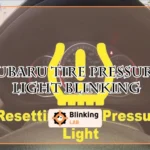
Have you noticed your Subaru’s tire pressure light blinking and wondered what it means? That flashing warning isn’t just a simple alert—it could signal a deeper issue with your tire pressure monitoring system (TPMS).
Maybe your tires feel fine, but the light keeps blinking, leaving you confused and concerned. Understanding why this happens is crucial to keeping your Subaru safe on the road and avoiding unexpected breakdowns. You’ll discover the common causes behind a blinking Subaru tire pressure light, what steps you should take immediately, and how to fix the problem before it turns into something costly.
Keep reading to take control of your vehicle’s safety and ensure every drive is smooth and secure.

Blinking Light Signals
The blinking tire pressure light on your Subaru signals more than low tire pressure. It warns of issues inside the tire pressure monitoring system (TPMS). This blinking alerts you to a problem that needs attention. Understanding the causes helps in quick diagnosis and safe driving.
The blinking light often means the system cannot read tire pressure correctly. It may be a sign of sensor problems or electrical faults. Checking the light’s meaning can prevent further damage or unsafe conditions on the road.
Sensor Battery Issues
Each TPMS sensor has a small battery inside. Over time, this battery wears out and dies. A dead battery causes the sensor to stop sending signals. The tire pressure light then blinks to warn you. Replacing the sensor is often necessary when the battery fails.
Faulty Or Damaged Sensors
Sensors can break during tire changes or from road debris. Damage causes incorrect pressure readings or no readings at all. Faulty sensors make the system confused and trigger the blinking light. Repair or replacement of the sensor fixes this problem.
System Malfunctions
The TPMS uses a control module to read sensor data. If this module fails, the system cannot work properly. Malfunctions cause the light to blink as a warning sign. A system reset or professional diagnosis may be needed to restore function.
Electrical Problems
Electrical issues in your Subaru can affect the TPMS. Problems with wiring, fuses, or the vehicle’s battery cause signal loss. These faults make the tire pressure light blink. Checking the electrical system helps find and fix the root cause.
Reset Needs After Tire Work
After changing or rotating tires, the TPMS must reset. Skipping this step leaves the system confused about pressure readings. The blinking light shows the system needs recalibration. Resetting the TPMS clears the warning and restores normal function.

Checking Tire Pressure
Checking your tire pressure is a key step when the Subaru tire pressure light blinks. Proper pressure keeps your vehicle safe and running well. Regular checks help spot problems early and avoid damage. Use simple tools and follow clear steps to measure pressure correctly.
Using A Reliable Gauge
Use a tire pressure gauge you trust. Digital or dial gauges give accurate readings. Avoid guessing or using old, broken tools. Check pressure when tires are cold for best results. Press the gauge firmly on the valve stem to get a steady number. Repeat for each tire to ensure consistency.
Pressure Levels To Aim For
Find the recommended tire pressure on your driver’s door jamb sticker. The number shows pounds per square inch (PSI) to target. Keep pressure close to this number for safety and efficiency. Low pressure can cause poor fuel economy and tire wear. High pressure may reduce traction and comfort.
Including The Spare Tire
Don’t forget the spare tire during checks. Many drivers overlook it until needed. A flat spare can leave you stranded. Check its pressure just like the others. Keep the spare inflated to the recommended PSI for emergencies. This small step ensures full preparedness on the road.
Resetting The Tpms
Resetting the TPMS (Tire Pressure Monitoring System) on your Subaru is key after fixing tire issues or rotating tires. It helps the system learn the correct tire pressures. This prevents the tire pressure light from blinking or staying on.
Different Subaru models may have varied reset methods. Knowing how to reset the TPMS saves time and avoids unnecessary trips to the mechanic. Below are common ways to reset the system on Subaru vehicles.
Manual Reset Methods
Many Subaru models allow a manual reset of the TPMS. Start by turning the ignition to the “On” position without starting the engine. Press and hold the TPMS reset button until the tire pressure light blinks three times. Release the button and wait for the light to turn off.
This method works well after adjusting tire pressures or changing tires. It tells the system to recheck pressure levels. If the light stays on or blinks, try other reset methods or check the sensors.
Using Vehicle Controls
Some Subaru models let you reset the TPMS using the vehicle’s dashboard controls. Access the vehicle settings menu via the steering wheel buttons or touchscreen. Look for the TPMS or tire pressure option and select “Reset” or “Relearn.”
The system will scan all tires and update pressure data. This method is simple and does not require physical buttons under the dashboard. Follow the instructions in your owner’s manual for exact steps.
When To Use Diagnostic Tools
Diagnostic tools are needed if the tire pressure light keeps blinking after resets. These tools connect to the vehicle’s OBD-II port and read TPMS sensor data. They can identify faulty sensors or system errors.
Mechanics use diagnostic tools to clear error codes and recalibrate sensors. If you have access to a TPMS scan tool, it can save time and money. Otherwise, visit a Subaru service center for a professional reset and inspection.
Inspecting For Damage
Inspecting for damage is key when your Subaru’s tire pressure light blinks. This blinking often signals a problem with the tire pressure monitoring system (TPMS), not just low tire pressure. Checking for physical damage can help find the cause quickly. It avoids unnecessary repairs and ensures your safety on the road.
Start by examining parts related to the sensor and valve stem. Damage or faults here can trigger the warning light. A careful look can reveal problems like cracks, corrosion, or sensor failure. Early detection helps keep your TPMS working correctly.
Valve Stem Issues
Valve stems connect the sensor to the tire. Damage here can cause air leaks or sensor errors. Look for cracks, bends, or corrosion on the valve stem. Dirt or debris can also affect the seal. A damaged valve stem may need replacement to restore proper function.
Sensor Physical Condition
Check the sensor itself for visible damage. Sensors can break during tire changes or from road impacts. Look for cracks, dents, or missing parts on the sensor housing. A damaged sensor often sends false signals to your car’s system. Replacing a broken sensor usually stops the blinking light.
Signs Of Sensor Faults
Sensor faults may not always show visible damage. Watch for signs like inconsistent tire pressure readings or repeated alerts. A sensor battery might be dead, causing communication loss with the vehicle. Faulty sensors need testing with special tools. Professional diagnosis ensures the right sensor issue is fixed.
When To Seek Help
Knowing when to seek help for a blinking Subaru tire pressure light is crucial. The blinking light often signals a problem with the TPMS system, not just low tire pressure. Ignoring it can lead to unsafe driving conditions or costly repairs. Understanding the right time to visit a professional can save time and money.
Professional Diagnosis
A professional diagnosis is the first step if the tire pressure light keeps blinking. Mechanics use special tools to read error codes from the TPMS system. This helps identify if a sensor is dead, damaged, or if there is an electrical issue. Early diagnosis prevents further damage and ensures safety.
Sensor Replacement Costs
Replacing a faulty TPMS sensor can vary in cost depending on the Subaru model. On average, each sensor costs between $50 and $100. Labor charges add to the total, but some sensors come with a warranty. Knowing these costs helps plan your repair budget better.
Repair Options And Warranties
Repair options include sensor replacement, system reset, or electrical repairs. Some garages offer warranties on parts and labor, giving peace of mind. Always ask about warranty details before approving repairs. This protects you from unexpected expenses if the problem returns.
Preventing Future Issues
Preventing future issues with your Subaru’s tire pressure system helps avoid unexpected blinking lights. Consistent care keeps the TPMS working well. It also extends tire life and improves safety. Simple habits make a big difference in system health and vehicle performance.
Regular Pressure Checks
Check your tire pressure at least once a month. Use a trusted gauge for accurate readings. Keep pressure within the range shown on the driver’s door sticker. Proper pressure reduces wear and prevents the TPMS light from blinking. Always check when tires are cold for the best results.
Proper Tire Rotations
Rotate tires every 5,000 to 7,000 miles. This balances wear and keeps sensors working correctly. Incorrect rotations can confuse the system and cause blinking. Follow Subaru’s recommended rotation pattern. After rotation, reset the TPMS to avoid false alerts.
Battery Life Awareness
TPMS sensors run on small batteries that last 5 to 10 years. Dead batteries cause blinking lights and system errors. Note the sensor age and replace them when needed. Regular inspections help catch battery issues early. This keeps the TPMS reliable and prevents sudden warnings.

Frequently Asked Questions
Why Is My Tire Pressure Light Blinking But My Tires Are Fine?
A blinking tire pressure light usually signals a TPMS malfunction, like a dead or faulty sensor, not low tire pressure. Check tire pressure manually. If tires are fine, the system may need resetting or professional inspection for sensor or electrical issues.
What Does A Blinking Tire Pressure Light Mean In A Subaru?
A blinking tire pressure light in a Subaru signals a TPMS malfunction. It may indicate a dead or faulty sensor, system error, or need for reset after tire service. Check tire pressure manually and have the system inspected professionally if the light keeps blinking.
How Much Does It Cost To Replace A Tpms Sensor On A Subaru?
Replacing a TPMS sensor on a Subaru typically costs between $50 and $150 per sensor. Labor charges may increase the total price.
What Is The Most Serious Subaru Warning Light?
The most serious Subaru warning light is the red oil pressure warning. It signals low oil pressure, risking engine damage. Stop immediately and check oil levels or seek professional help to prevent severe engine damage.
Why Is My Subaru Tire Pressure Light Blinking?
A blinking tire pressure light means the TPMS system has a problem. It could be a dead sensor battery, a damaged sensor, or a system malfunction.
Conclusion
A blinking Subaru tire pressure light signals a system problem, not just low air. Check tire pressure with a gauge first. If pressure is fine, the sensor or system may need attention. Resetting the system after tire changes often helps.
Damaged sensors or battery issues can cause blinking lights. Electrical faults might also trigger the warning. Don’t ignore this sign; timely checks keep your drive safe. Visit a professional if the light won’t stop blinking after your checks. Regular maintenance prevents future TPMS problems.
Stay alert and keep your Subaru’s tires in good shape.