Is your F150’s blinker suddenly blinking faster than usual? That quick, rapid flashing isn’t just annoying—it’s your truck’s way of telling you something needs attention.
You might think the bulb is fine, but a fast-blinking turn signal often signals a hidden issue. Whether it’s a burnt-out bulb, a corroded socket, or an electrical glitch, understanding why your F150 blinker is blinking fast can save you from unexpected troubles on the road.
Keep reading to discover the common causes and simple fixes that will get your turn signals back to normal in no time.
Fast Blinker Symptoms
Noticing your F150 blinker blinking fast? This is a common symptom that signals an issue with the turn signal system. Fast blinking differs from the normal steady blink rate you expect. It often means the system detected a problem that needs attention. Understanding these symptoms helps you diagnose and fix the issue quickly.
What Fast Blinking Indicates
Fast blinking usually means a bulb is burnt out or not working properly. The turn signal system flashes faster to alert you. This is a safety feature to prevent driving with a broken signal. Sometimes, the problem is a loose or corroded socket. Other times, new LED bulbs may cause the system to misread the load.
Ignoring fast blinking can lead to unsafe driving conditions. It is important to check the bulbs on the side that blinks fast. Replace any burnt-out bulbs or fix connection issues promptly.
Dashboard Signal Patterns
The dashboard also shows signals when there is a blinker issue. You might see the turn signal indicator flashing faster than normal. This matches the external fast blinking lights. The dashboard helps confirm which side has the problem. It can guide you to inspect the correct bulbs and sockets.
Watching these dashboard patterns can save time in diagnosing the fault. It prevents unnecessary replacements or repairs. Always pay attention to both the dashboard signals and the external blinkers.

Common Causes
Fast blinking of your F150’s turn signal often points to a simple problem. Several common causes trigger this warning-like flash. Understanding these helps fix the issue quickly. Here are the main reasons for a rapid blinker flash.
Burnt-out Bulbs
A burnt-out bulb is the most frequent cause of fast blinking. When one bulb fails, the turn signal flashes faster to alert you. Check both front and rear bulbs on the blinking side. Replace any that are burnt out to restore normal blinking speed.
Corroded Sockets
Corrosion inside the bulb socket can disrupt the electrical flow. Moisture and rust cause poor contact and blinking issues. Inspect the socket for signs of corrosion. Cleaning or replacing the socket often solves the fast blinking problem.
Led Bulb Issues
Aftermarket LED bulbs may cause the turn signal to blink quickly. LEDs use less power than regular bulbs, confusing the vehicle’s flasher module. Installing a load resistor or a special relay corrects this power imbalance and stops the fast blink.
Dual Element Bulb Problems
Dual element bulbs have two filaments: one for turn signals, one for brake lights. A failure in either filament can cause fast blinking. Test the bulb carefully and replace it if one element is damaged. This restores proper signal flashing speed.
Diagnosing The Problem
Diagnosing a fast blinking turn signal on your F150 helps find the exact issue quickly. This problem usually signals a bulb or connection fault. Proper checks avoid unnecessary part replacements and save time.
Checking Both Sides
Start by turning on the turn signals on each side separately. Watch the dashboard indicator and the exterior lights carefully. The side that blinks faster likely has the problem.
Check both front and rear lights on the affected side. A burnt-out bulb often causes the fast blinking. Inspect all bulbs to identify the faulty one.
Inspecting Bulbs And Sockets
Remove the bulbs from the problem side and look for dark spots or broken filaments. These signs mean the bulb needs replacement. Next, check the bulb sockets for rust or moisture. Corrosion can cause poor electrical contact and signal issues.
Clean the sockets using electrical cleaner if needed. Reinstall the bulbs and test the signals again. Faulty sockets may need professional repair or replacement.
Using Hazard Lights For Detection
Turn on the hazard lights to make all turn signals blink simultaneously. Walk around your F150 to spot any light that does not flash or flashes irregularly. This method helps find bulbs or sockets that fail under load.
Hazard lights testing is quick and effective for diagnosing hidden electrical problems. Fixing these issues restores normal blinking speed and improves safety on the road.
Quick Fixes
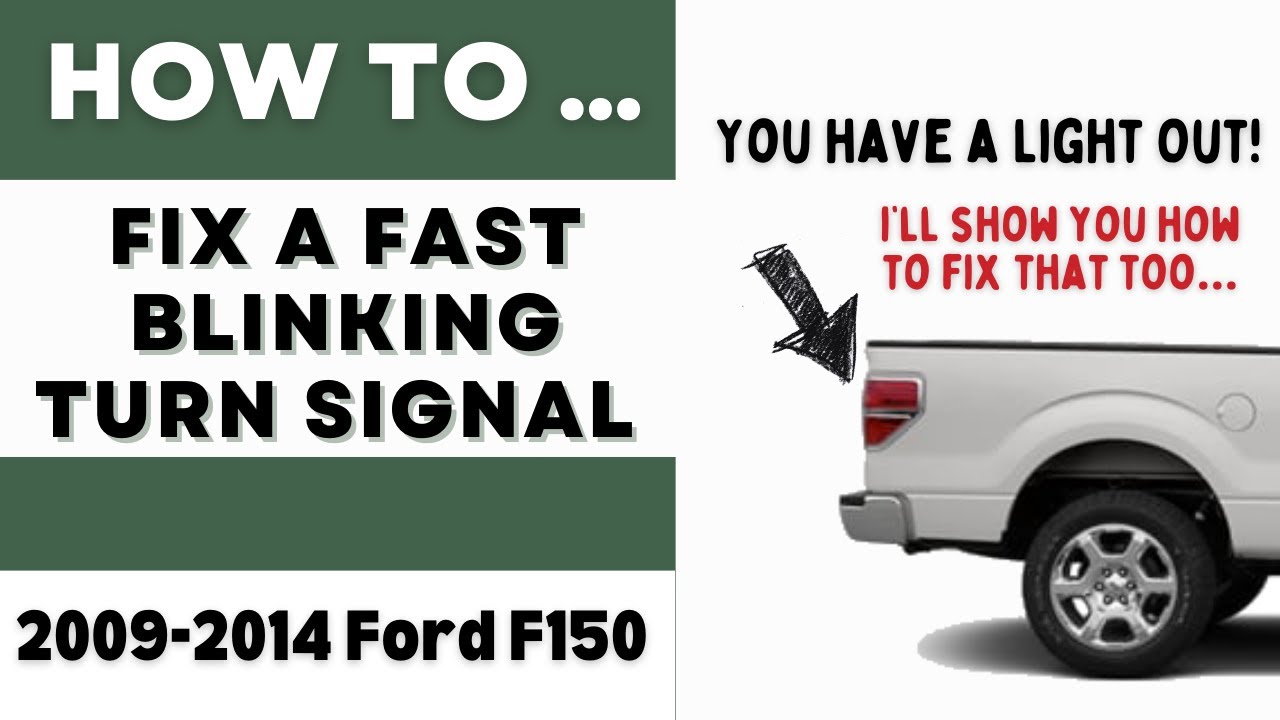
Fast blinking of your F150 blinker signals a simple electrical issue. This problem often points to a bulb or connection fault. Quick fixes help restore normal blinker speed. They save time and avoid costly repairs. Here are practical steps to fix your blinker fast blinking problem.
Replacing Faulty Bulbs
Faulty bulbs cause most fast blinking issues. Check both front and rear turn signals on the blinking side. Replace any burnt-out or dim bulbs with new ones. Use bulbs that match your F150’s specifications. Always test the blinkers after bulb replacement to confirm the fix.
Cleaning Corroded Sockets
Corrosion blocks proper bulb connection and causes fast blinking. Inspect the bulb sockets for rust or moisture. Use electrical cleaner to remove corrosion gently. Dry the sockets completely before reinstalling bulbs. Clean sockets improve electrical flow and blinking speed.
Installing Load Resistors
LED bulbs draw less power and may trigger fast blinking. Load resistors add extra resistance to balance the circuit. Install resistors on the same circuit as the LED bulbs. This simple fix corrects blinking speed without changing bulbs. It works well for LED bulb upgrades.
Upgrading Led Relays
Standard relays may not work well with LED bulbs. Replace the stock relay with an LED-compatible flasher relay. LED relays regulate power flow and prevent fast blinking. This upgrade provides a stable blinking rate for your F150. It is a reliable solution for LED setups.
Preventive Tips
Preventive care helps keep your F150’s blinkers working properly. It avoids sudden fast blinking issues. Simple steps can extend bulb life and maintain good electrical connections. These tips reduce the chance of problems on the road.
Regular Bulb Maintenance
Check turn signal bulbs often. Replace any that are dim or burnt out. Clean bulbs to remove dirt and grime. Dirt can block light and cause errors. Keep a spare set of bulbs in your truck. This helps you fix problems quickly.
Protecting Socket Connections
Inspect bulb sockets for rust or moisture. Wet or corroded sockets cause poor contact. Use electrical cleaner to remove corrosion gently. Make sure sockets are dry before inserting bulbs. Cover exposed sockets to keep water out.
Choosing Compatible Bulbs
Use bulbs made for your F150 model. Avoid cheap or wrong-size bulbs. LED bulbs need special resistors to work right. Incorrect bulbs cause fast blinking or flickering. Follow manufacturer recommendations for the best fit.

When To Seek Professional Help
The F150 blinker blinking fast can signal issues beyond a simple bulb problem. Sometimes, a quick fix is not enough. Knowing when to seek professional help protects your truck and safety on the road.
Experts have tools and knowledge to diagnose complex problems. They can ensure the blinker system works correctly and lasts longer. Don’t ignore signs that the problem is deeper than a bulb.
Persistent Blinking Issues
When the blinker keeps flashing fast after bulb replacement, it means trouble. This persistent issue suggests wiring or relay faults. Mechanics can test the turn signal circuit fully. They find hidden problems that DIY checks miss. Persistent blinking can also drain the battery over time. A professional fix prevents further damage and expensive repairs later.
Electrical System Concerns
The F150’s electrical system controls all lights and signals. Faults here cause irregular blinking and other failures. Corroded connections, damaged wires, or a bad flasher relay disrupt normal function. Professionals use diagnostic equipment to locate electrical faults quickly. They repair or replace faulty parts safely. Ignoring electrical concerns can lead to total light failure. This puts you and other drivers at risk, especially at night or in bad weather.
Frequently Asked Questions
What Would Cause My Blinkers To Blink Fast?
Fast blinking turn signals usually mean a burnt-out bulb or a faulty socket. LED bulbs may cause false warnings due to low power draw. Check and replace bulbs, clean sockets, or install load resistors to fix the issue.
Why Is My F150 Blinker Blinking So Fast?
A fast blinker usually means a bulb is burned out or faulty. It can also be caused by a bad socket or wiring issue.
How Do I Find Which F150 Blinker Bulb Is Bad?
Turn on the hazard lights and walk around your truck. The side that blinks faster or does not light up has the bad bulb.
Can Led Bulbs Cause Fast Blinking In An F150?
Yes, LED bulbs use less power and can trigger a fast blink. Installing a load resistor or special relay can fix this issue.
What Should I Do If Cleaning The Bulb Socket Doesn’t Help?
Try replacing all turn signal bulbs on the affected side. Corroded or damaged sockets may need professional repair or replacement.
Conclusion
A fast-blinking F150 blinker often means a bulb issue or socket problem. Check all bulbs on the blinking side first. Clean or replace sockets if needed. Using LED bulbs? Consider adding a load resistor to fix blinking. Testing your signals helps find the faulty light quickly.
Regular checks keep your turn signals working safely. Fix problems early to avoid bigger issues later. Stay safe on the road with clear, steady blinkers.