Have you noticed your car’s blinker flashing faster than usual? That rapid blinking isn’t just a random quirk—it’s your vehicle’s way of telling you something needs attention.
When your turn signal blinks quickly, it usually means a bulb has burned out or there’s an electrical issue. Ignoring this can confuse other drivers and put you at risk on the road. You’ll discover why your blinker is blinking fast and learn simple steps to fix the problem.
Keep reading to make sure your signals are clear and your drives stay safe.
Common Causes
Fast blinking of your car’s turn signal often points to a problem. Several common issues cause this rapid blinking. Understanding these helps you fix the problem quickly. Let’s explore the typical reasons behind a fast blinker.
Burned-out Bulbs
A burned-out bulb is the most frequent cause of fast blinking. When one bulb stops working, the electrical load changes. This causes the flasher to blink quicker than normal. Check all turn signal bulbs by activating the signals. Look for the side that blinks rapidly to find the faulty bulb. Replacing the bad bulb usually stops the fast blinking.
Led Bulb Upgrades
LED bulbs use less power than traditional bulbs. This low power can confuse the flasher relay. The relay thinks a bulb is burned out and speeds up the blinking. Installing load resistors helps balance the power draw. These resistors make the LED bulbs work with the existing flasher system. This fix slows the blinking back to normal.
Corroded Sockets
Corrosion in bulb sockets affects electrical flow. Dirt, moisture, or rust can build up inside the socket. This buildup disrupts the current and causes the blinker to flash fast. Inspect sockets for corrosion if blinking is rapid. Cleaning or replacing corroded sockets restores proper contact. This stops the fast blinking issue.
Faulty Flasher Relay
The flasher relay controls the blink speed of the turn signals. A worn or damaged relay may cause irregular blinking speeds. If bulbs and sockets are fine, the relay might be the problem. Replacing the faulty relay often fixes fast blinking signals. Test the relay if all bulbs work and sockets are clean.

Diagnosing The Issue
Diagnosing a fast blinking car blinker helps find the root problem. The quick flash usually signals a bulb or electrical issue. Checking key parts quickly narrows down the cause. Follow these simple steps to diagnose the issue safely and effectively.
Checking Bulb Functionality
Start by examining the turn signal bulbs. Turn on the blinker and look at each bulb closely. A burnt-out bulb often causes fast blinking. Replace any bulb that is dim, cracked, or not lighting up. This step fixes most fast blinking problems.
Inspecting Bulb Sockets
Next, check the bulb sockets for corrosion or damage. Dirt or rust can stop bulbs from working properly. Clean the sockets carefully with a cloth or small brush. Ensure the bulbs fit snugly in their sockets. Loose connections may cause blinking to speed up.
Testing The Flasher Relay
The flasher relay controls the blinking speed of the turn signals. Locate the relay in your car’s fuse box or under the dashboard. Swap it with a similar relay to test if blinking returns to normal. Replace the relay if the fast blinking persists after bulb checks.
Using Hazard Lights For Testing
Turn on the hazard lights to check the system’s response. Hazard lights use all turn signal bulbs at once. If hazard lights blink normally but turn signals blink fast, the problem lies in the turn signal circuit. This test helps separate bulb issues from electrical faults.
Simple Fixes
Fast blinking of a car blinker often signals a simple issue. Many causes are easy to fix without expert help. These fixes restore normal blinking speed and ensure safety on the road.
Replacing Burned-out Bulbs
A burned-out bulb is the most common cause of fast blinking. Check both front and rear turn signals. Find the bulb that does not light up or blinks rapidly. Replace it with a new bulb matching your car’s specifications. This fix usually stops the fast flashing immediately.
Installing Load Resistors For Leds
LED bulbs use less power than regular bulbs. Cars may detect this as a bulb failure and blink fast. Install load resistors to simulate the power draw of standard bulbs. This adjustment tricks the car’s system and stops the hyper-flashing. Make sure to buy resistors designed for your LED type.
Cleaning Corroded Sockets
Corrosion in bulb sockets can cause poor electrical contact. This leads to irregular blinking speeds. Remove the bulb and inspect the socket for rust or dirt. Clean it gently using a wire brush or electrical contact cleaner. Dry the socket before inserting the bulb again. Clean sockets improve signal performance.
Replacing The Flasher Relay
The flasher relay controls the blinking rate of your turn signals. A faulty relay can cause rapid blinking. Locate the relay in your car’s fuse box or under the dashboard. Swap the old relay with a new one that matches your vehicle model. This replacement restores normal blink timing quickly.

Preventive Tips
Preventing your car’s blinker from blinking too fast helps keep you safe on the road. Fast blinking usually signals a problem with the bulbs or wiring. Taking simple steps can stop this issue before it starts. Regular care and checks keep your turn signals working properly and avoid distractions while driving.
Regular Bulb Inspections
Check your car’s bulbs often for any signs of damage or wear. Replace bulbs that look dim or broken. Use the correct bulb type for your vehicle. Clean the bulb sockets to remove dirt and corrosion. This keeps the electrical flow steady and prevents fast blinking.
Proper Led Installations
LED bulbs use less power than regular bulbs. This can cause the blinker to flash quickly. Install load resistors or a compatible flasher relay with LEDs. Make sure the LED bulbs fit well in the sockets. Proper installation stops the “hyper-flash” effect and keeps signals normal.
Maintaining Electrical Connections
Loose or corroded wires cause poor electrical contact. Check the wiring harness for wear or damage. Clean and tighten connections to ensure good contact. Use dielectric grease on connectors to prevent corrosion. Stable electrical connections help the blinker flash at a steady rate.
Safety Considerations
Safety is the top priority when using a car’s blinker. Fast blinking signals can confuse other drivers. This confusion may lead to accidents and unsafe road situations. Understanding the safety risks helps drivers take action quickly. Proper signaling keeps everyone on the road safe and aware of your intentions.
Risks Of Fast Blinking Signals
Fast blinking often means a bulb is out or faulty. Other drivers may misinterpret your signal. This can cause sudden stops or dangerous lane changes. Pedestrians might not understand your direction either. The risk of collisions rises with unclear signals. Always check your signals to avoid these dangers.
Legal Implications
Traffic laws require clear and working turn signals. Fast blinking may be seen as a malfunction. Some regions fine drivers for faulty signals. Faulty blinkers can also affect insurance claims after accidents. Keeping signals in good condition avoids legal trouble. It shows responsibility and respect for traffic rules.
Ensuring Clear Signaling
Check your turn signals regularly for fast blinking. Replace any burnt-out bulbs quickly. Use the correct bulb type for your vehicle. If you use LED bulbs, install load resistors if needed. Test your signals before driving to ensure they work right. Clear signals help other drivers understand your moves better.
Frequently Asked Questions
Why Is My Car Blinker Blinking Fast?
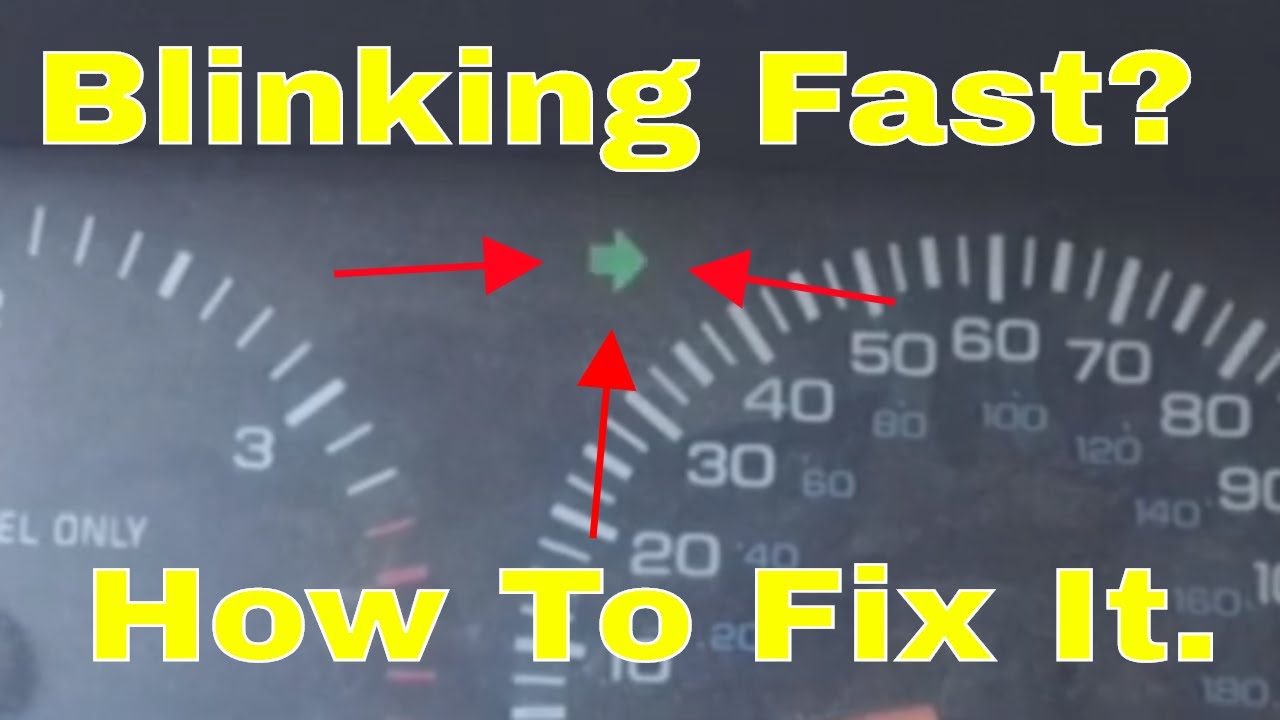
A fast blinking car blinker usually signals a burned-out bulb or faulty connection. Check bulbs and sockets for damage or corrosion.
Why Is My Car Blinker Blinking Fast?
A fast blinking blinker usually means one bulb is burned out or not working. The car’s system blinks faster to alert you about the problem. Check all turn signal bulbs to find the faulty one.
How Can I Fix A Fast Blinking Turn Signal?
First, identify the bulb that is not lighting or is dim. Replace the faulty bulb with a new one. If you installed LED bulbs, you might need a resistor to fix fast blinking.
Can Led Bulbs Cause Blinker To Flash Quickly?
Yes, LED bulbs use less power, which can make the blinker flash faster. Installing load resistors can solve this issue and make the blinking normal. This is common after upgrading to LED lights.
Is A Fast Blinking Blinker Dangerous While Driving?
A fast blinking blinker can confuse other drivers and cause accidents. It is important to fix the problem quickly for safe signaling. Proper blinker speed helps clear communication on the road.
Conclusion
A fast blinking car blinker often signals a bulb issue. Check all turn signal bulbs carefully for any that are out. Replacing a burned-out bulb usually stops the fast blinking. Sometimes, new LED bulbs cause this due to different power needs.
Adding resistors can help fix that problem. Ignoring fast blinking might confuse other drivers and cause accidents. Stay safe by addressing blinker problems quickly and simply. Regular checks keep your signals working well on the road.