If your VW’s temperature light starts blinking, it’s a signal you can’t ignore. This warning isn’t just a minor alert—it means your engine might be overheating or there’s a serious issue with your cooling system.
Ignoring that blinking light could lead to costly repairs or even engine failure. You need to know exactly what this light means, why it’s happening, and what you should do right away to protect your car and avoid getting stranded.
Keep reading to learn the simple steps that can save your VW and keep you safe on the road.
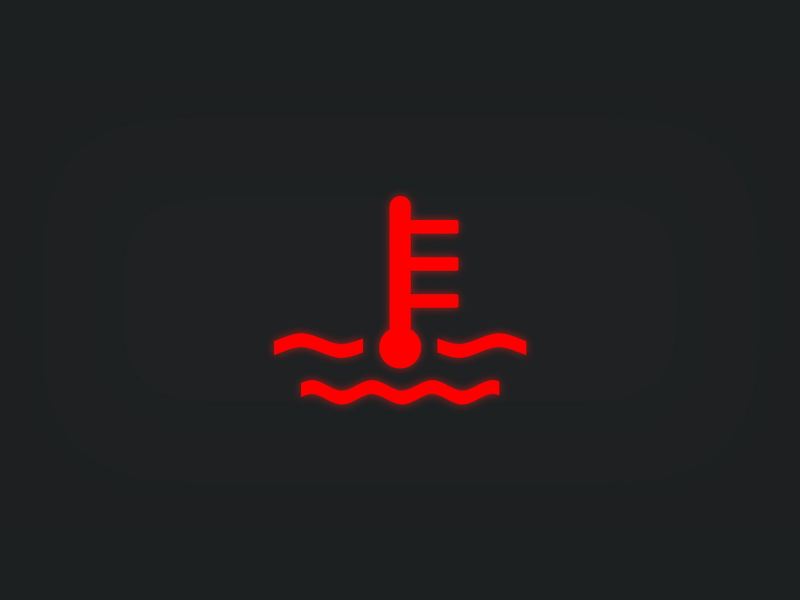
Blinking Temperature Light Meaning
The blinking temperature light on your VW dashboard is a critical warning. It signals your engine’s temperature is higher than normal. This light is not just a gentle reminder. It means your vehicle needs attention immediately. Ignoring it can cause serious engine damage and costly repairs. Understanding what this blinking light means helps keep your car safe and running well.
Color Indicators And Their Signals
The blinking temperature light uses colors to show different problems. A red blinking light means the engine is overheating dangerously. This requires urgent action to prevent damage. A yellow or amber blinking light signals a problem with the cooling system. It could mean low coolant or a faulty sensor. Some VW models show a blue or red blinking light indicating electrical issues in the cooling system. Each color points to a specific problem. Pay close attention to these signals.
Immediate Actions Required
Stop driving as soon as the temperature light blinks. Find a safe spot to pull over and turn off the engine. Wait for the engine to cool down before checking anything. Carefully check the coolant level once the engine is cold. Look under the car for any coolant leaks. Do not open the radiator cap while hot. If the coolant is low, add the correct type carefully. If the light continues blinking after adding coolant, call for roadside assistance. Driving with a blinking temperature light risks severe engine damage. Getting help early protects your VW and your wallet.

Common Causes
The blinking temperature light on your VW signals a serious engine issue. It means the engine is too hot or the cooling system has a fault. Understanding the common causes helps you react quickly and avoid costly damage. Here are the main reasons why this warning light blinks.
Low Coolant Levels
Coolant keeps the engine cool. Low coolant happens from leaks or evaporation. Without enough coolant, the engine heats up fast. Check the coolant level regularly to avoid overheating.
Faulty Thermostat
The thermostat controls coolant flow. If it gets stuck closed, coolant won’t circulate. This causes the engine to overheat. A bad thermostat needs quick replacement to protect the engine.
Radiator Fan Issues
The radiator fan cools the radiator by pulling air through. If the fan stops working, the engine gets too hot, especially in traffic. Fan problems can be due to a bad motor or electrical fault.
Water Pump Failure
The water pump moves coolant through the engine. When it fails, coolant stops circulating. This leads to rapid overheating. A broken water pump must be fixed immediately to save the engine.
Damaged Head Gasket
A blown head gasket causes coolant leaks and engine overheating. It often leads to serious engine damage. Signs include white smoke from the exhaust and loss of coolant without visible leaks.
Faulty Sensor
The temperature sensor tells the car’s computer how hot the engine is. A bad sensor can give wrong readings. This may cause the temperature light to blink even if the engine is fine.
Transmission Fluid Overheating
In some VW models, overheating transmission fluid can trigger the temperature light. This happens if the transmission cooler fails. Overheated fluid harms transmission parts and needs quick attention.
Risks Of Ignoring The Warning
The VW blinking temperature light signals a serious issue. Ignoring this warning can cause severe problems. Acting quickly prevents costly repairs and safety risks. Understand the dangers to protect your vehicle and yourself.
Delaying attention to the blinking light puts your engine and safety at risk. The warning is not just a minor alert. It demands immediate action to avoid damage and hazards.
Engine Overheating Consequences
Overheating causes engine parts to expand and warp. This leads to poor engine performance and failure. It can cause the car to stall or lose power. Overheating also damages seals and gaskets. Repair costs rise quickly if overheating continues.
Potential For Major Engine Damage
Ignoring the temperature warning risks cracked engine blocks. The head gasket may blow, causing coolant leaks. This damages internal engine parts beyond repair. Repairing such damage costs thousands of dollars. Early cooling system checks can save the engine.
Safety Hazards On The Road
A hot engine can cause sudden breakdowns on the road. This creates dangerous situations for you and other drivers. Steam or smoke may reduce visibility and cause panic. Stopping safely and addressing the issue avoids accidents. Always prioritize safety over continuing to drive.
Quick Fixes And Troubleshooting
The VW blinking temperature light signals an urgent engine issue. Quick fixes and troubleshooting steps can help avoid major damage. Acting fast protects your car and wallet.
Follow these simple steps to address the problem safely and effectively. Checking coolant levels and spotting leaks are key tasks. Knowing when to seek professional help prevents costly repairs.
Safely Stopping The Vehicle
Pull over to a safe spot immediately. Turn off the engine to stop overheating. Avoid driving with the blinking temperature light on. Continuing to drive can cause serious engine damage. Allow the engine to cool down fully before doing anything else.
Checking And Refilling Coolant
Wait until the engine is cool before opening the coolant reservoir. Check the coolant level and look for signs of low fluid. Add the correct type of coolant slowly to avoid spills. Do not open the radiator cap while the engine is hot. Proper coolant levels help regulate engine temperature and prevent blinking warnings.
Identifying And Repairing Leaks
Inspect hoses, radiator, and water pump for leaks or cracks. Look for puddles of coolant under the car. Small leaks cause low coolant and trigger the blinking light. Tighten loose clamps or replace damaged hoses as needed. Fixing leaks early stops coolant loss and engine overheating.
When To Call A Mechanic
Call a mechanic if the blinking light stays on after refilling coolant. Persistent warnings may mean a faulty thermostat or water pump failure. Avoid driving if you hear strange noises or smell burning. Professional help is necessary for sensor issues or damaged head gaskets. Prompt service prevents expensive engine repairs.
Preventive Maintenance Tips
Preventive maintenance helps keep your VW’s cooling system in top shape. It reduces the risk of the temperature light blinking. Regular care ensures the engine runs smoothly and avoids costly repairs. Follow these simple tips to maintain your vehicle’s health.
Regular Coolant Checks
Check the coolant level often. Use the reservoir tank to avoid opening a hot radiator. Low coolant causes overheating and blinking temperature lights. Top up with the correct coolant type for your VW. Inspect for leaks under the car and around hoses. Fix leaks immediately to keep coolant levels stable.
Thermostat And Sensor Inspections
Thermostats control coolant flow and engine temperature. A faulty thermostat can cause the temperature light to blink. Sensors send temperature data to the dashboard. Faulty sensors give wrong warnings or no warnings at all. Test these parts regularly and replace any that fail to work properly.
Cooling System Cleaning
Clean the cooling system to remove dirt and deposits. Flush the radiator and hoses every 2 years or 30,000 miles. Dirt buildup blocks coolant flow, leading to overheating. A clean system improves heat exchange and engine performance. Use the recommended cleaning fluids for your VW model.
Scheduled Professional Inspections
Take your VW to a mechanic for regular check-ups. Professionals spot issues you might miss. They can test the thermostat, sensors, and radiator fan. Scheduled inspections catch problems early, preventing blinking temperature lights. Follow the service schedule in your owner’s manual strictly.
Frequently Asked Questions
What Does A Flashing Temperature Light Mean?
A flashing temperature light signals engine overheating or cooling system failure. Stop immediately, turn off the engine, and let it cool to avoid damage. Check coolant levels once cooled. Persistent flashing requires professional inspection to prevent severe engine issues.
Why Is The Temperature Light Flashing Red On My Vw?
A flashing red temperature light on your VW signals engine overheating or a serious cooling system fault. Stop immediately, turn off the engine, and let it cool. Check coolant levels once cooled. Continuing to drive risks severe engine damage. Seek professional help if the issue persists.
How To Tell If A Vw Engine Is Overheating?
A VW engine is overheating if the temperature light blinks red or yellow. Stop driving immediately. Check coolant levels after cooling. Persistent blinking signals serious cooling issues needing mechanic attention.
Can I Drive With A Flashing Coolant Light?
Do not drive with a flashing coolant light. Stop immediately, turn off the engine, and let it cool. Check coolant levels and call a mechanic if the problem persists. Driving risks severe engine damage.
What Does A Blinking Temperature Light Mean In A Vw?
A blinking temperature light means the engine is overheating or there is a cooling system fault. It signals a serious problem needing immediate attention. Continuing to drive can cause major engine damage.
Conclusion
A blinking temperature light on your VW signals a serious problem. Stop driving immediately to avoid engine damage. Check coolant levels once the engine cools down. Look for leaks or faulty parts like the thermostat or radiator fan. If unsure, call a mechanic to inspect the issue.
Acting quickly can save you costly repairs. Always pay attention to warning lights for safe driving.