If you’ve ever seen your Ford Escape’s check engine light start blinking, you know it’s not a sign to ignore. That flashing light isn’t just a warning—it’s an urgent alert that something serious is happening under the hood.
You might be tempted to keep driving, thinking everything feels fine, but doing so could cause expensive damage to your engine and catalytic converter. Understanding what causes that blink and what to do next can save you from costly repairs and keep you safe on the road.
Keep reading to learn exactly why your Ford Escape’s check engine light is flashing and how to handle it before it turns into a major problem.

Causes Of Flashing Check Engine Light
The flashing check engine light on a Ford Escape signals a serious issue. It means the engine is misfiring or another problem is causing damage. Ignoring this warning can lead to costly repairs. Several causes trigger this alert, and understanding them helps in quick action. Each cause affects your vehicle’s performance and safety.
Engine Misfire
An engine misfire means one or more cylinders fail to fire properly. This causes rough running and loss of power. Unburned fuel enters the exhaust, which can damage the catalytic converter. Misfires often happen due to worn parts or poor fuel quality. Immediate attention is essential to avoid engine damage.
Faulty Spark Plugs And Ignition Coils
Spark plugs ignite the fuel-air mixture in the engine. Faulty spark plugs or ignition coils cause weak or no sparks. This leads to misfires and engine hesitation. Replacing these parts restores smooth engine operation. Regular checks prevent sudden failures and flashing lights.
Fuel Injector Problems
Fuel injectors spray fuel into the engine’s cylinders. Clogged or leaking injectors disrupt fuel flow. This causes uneven combustion and engine misfires. Cleaning or replacing injectors improves fuel delivery. Proper injector function keeps the engine running efficiently.
Catalytic Converter Risks
The catalytic converter reduces harmful emissions from the exhaust. Unburned fuel from misfires can overheat and damage this component. A damaged converter reduces engine performance and increases emissions. Repair or replacement can be costly. Preventive care avoids this risk.
Risks Of Ignoring The Warning
Ignoring a blinking check engine light on your Ford Escape can lead to severe problems. This warning signals a serious issue that needs immediate attention. Driving with this light flashing risks costly damage and safety concerns. Understanding these risks helps protect your vehicle and wallet.
Unburned Fuel Damage
A blinking light often means fuel is not burning correctly. Unburned fuel enters the exhaust system. This fuel can cause overheating and damage parts. It also lowers fuel efficiency and increases emissions.
Catalytic Converter Failure
The catalytic converter cleans harmful gases from your car. Unburned fuel can overheat and destroy this part. Replacing a catalytic converter is expensive. Early repair can save you from this high cost.
Severe Engine Damage
Driving with a flashing light can cause engine misfires. Misfires may lead to internal engine damage. Over time, this damage worsens and becomes costly to fix. Stopping early helps avoid major repairs.
Hydrolocking Possibility
Hydrolocking happens when liquid enters the engine cylinders. Unburned fuel or coolant may cause this. Hydrolocking can stop the engine from working. This issue often requires a full engine rebuild.
Immediate Actions To Take
The Ford Escape’s check engine light blinking is a serious warning. Immediate action is crucial to avoid costly damage. This blinking light often signals engine misfires that can harm the catalytic converter. Quick steps can protect your vehicle and your safety.
Safe Pull Over
Find a safe place to stop your Ford Escape right away. Use your turn signal and slow down gradually. Avoid stopping on hills or sharp curves. A flat, open area is best to park safely. This prevents accidents and allows you to inspect the vehicle safely.
Engine Shutdown
Turn off the engine as soon as you stop. Shutting down stops further damage from unburned fuel entering the exhaust. It also prevents overheating of critical engine parts. Leaving the engine running can increase repair costs dramatically.
Avoid Restarting
Do not try to restart the engine after it has shut down. Restarting can cause more damage to the catalytic converter and engine. The blinking light means the issue is urgent and not safe to ignore. Wait for professional help instead of risking further harm.
Call For Professional Help
Contact a trusted mechanic or roadside assistance immediately. Arrange for your Ford Escape to be towed to a service center. Professionals can diagnose the exact problem and fix it safely. Driving with a blinking check engine light can lead to expensive repairs.
Driving With A Flashing Light
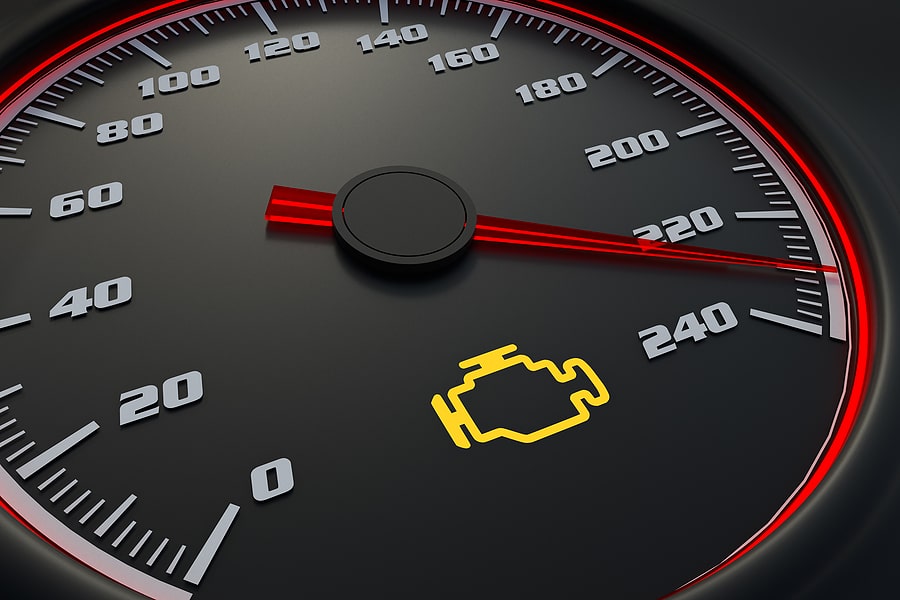
Driving with a flashing check engine light in your Ford Escape is a serious issue. This warning signals a critical problem that needs immediate attention. Ignoring it can lead to severe damage and costly repairs. Understanding the risks helps you take quick action and protect your vehicle.
Why It’s Unsafe
A flashing check engine light usually means the engine is misfiring. When the engine misfires, fuel does not burn properly. This sends raw fuel into the exhaust system. The raw fuel can overheat and damage the catalytic converter. Driving under these conditions can cause engine damage or even failure. Continuing to drive puts you and your car at risk.
Potential Costly Repairs
Ignoring a flashing check engine light can lead to expensive repairs. The catalytic converter is a costly component to replace. Engine damage from misfires may require major repairs or engine replacement. Early attention can save you thousands of dollars. Repairing a simple ignition coil or spark plug is much cheaper than full engine repair.
When The Car Seems Fine
Your Ford Escape may still drive smoothly even if the light flashes. Do not assume the problem is minor or will go away. A flashing light means the engine is not working correctly. Driving with this warning can worsen the issue quickly. Always stop driving and get your vehicle checked immediately.
Quick Fixes And Diagnostics
The blinking check engine light on your Ford Escape signals a serious issue. Quick fixes and diagnostics help identify the problem early. Acting fast can prevent costly repairs and engine damage. This section guides you through basic checks and tools for diagnosis.
Checking Spark Plugs And Coils
Spark plugs and coils ignite the fuel in your engine. Faulty plugs or coils cause misfires, triggering the blinking light. Remove and inspect spark plugs for wear or damage. Check coils for cracks or corrosion. Replace any faulty parts to restore proper ignition.
Inspecting Fuel Injectors
Fuel injectors spray fuel into the engine cylinders. Dirty or clogged injectors disrupt fuel flow. This can cause rough running and a blinking engine light. Use a fuel injector cleaner to remove deposits. Inspect injectors for leaks or damage. Replace injectors if cleaning does not help.
Using An Obd-ii Scanner
An OBD-II scanner reads error codes stored in the car’s computer. These codes point to specific problems causing the blinking light. Connect the scanner to the vehicle’s port under the dashboard. Read and record the codes. Use them to guide your repairs or inform a mechanic.
When To Seek Mechanic Assistance
The blinking check engine light often means a serious engine issue. If basic checks do not fix the problem, consult a professional. Do not ignore the warning or keep driving. A mechanic has tools and knowledge to diagnose complex faults safely. Early help saves money and prevents engine damage.
Preventive Maintenance Tips
Preventive maintenance helps keep your Ford Escape running smoothly. It reduces the chance of a blinking check engine light. Regular care protects your engine and saves money on repairs. Follow these tips to maintain your vehicle’s health and avoid sudden problems.
Regular Engine Tune-ups
Schedule engine tune-ups at recommended intervals. Tune-ups check spark plugs, fuel filters, and ignition systems. Clean and replace parts to keep the engine running efficiently. This prevents misfires that cause the check engine light to blink.
Monitoring Engine Performance
Watch for changes in engine power or unusual noises. Use an OBD-II scanner to read error codes. Early detection of problems stops damage before it worsens. Regular monitoring helps you act quickly and avoid costly repairs.
Timely Replacement Of Parts
Replace worn or faulty parts on time. Common parts include spark plugs, oxygen sensors, and air filters. Old parts reduce engine efficiency and increase emissions. Timely replacements keep your Ford Escape in top condition.
Keeping Emission Systems Healthy
Maintain the emission control system regularly. Check the catalytic converter, EGR valve, and oxygen sensors. A healthy emission system prevents harmful gases and avoids a blinking check engine light. It also helps your vehicle pass emissions tests.
Frequently Asked Questions
Can I Drive My Car With The Check Engine Light Flashing?
Do not drive with a flashing check engine light. It signals a severe engine problem risking costly damage. Pull over safely, turn off the engine, and call a mechanic immediately. Driving further can cause expensive repairs and engine failure.
What Is The Most Common Cause Of Flashing A Check Engine Light?
The most common cause of a flashing check engine light is an engine misfire. It sends unburned fuel into the exhaust, risking catalytic converter damage.
How Much Does It Cost To Fix A Blinking Check Engine Light?
Fixing a blinking check engine light typically costs between $150 and $1,000, depending on the issue’s severity. Common repairs include ignition coils, spark plugs, or catalytic converter replacement. Immediate professional diagnosis prevents costly damage and ensures safety.
Can I Drive My Ford Escape With The Check Engine Light On?
Do not drive your Ford Escape if the check engine light is flashing. It signals a serious engine problem. Stop safely, turn off the engine, and get professional help immediately to avoid costly damage. A steady light means service soon; flashing demands urgent attention.
What Does A Blinking Check Engine Light Mean On Ford Escape?
A blinking check engine light signals a severe engine problem. It usually means the engine is misfiring and causing damage. Immediate attention is needed to avoid costly repairs.
Conclusion
A blinking check engine light on your Ford Escape signals a serious issue. Stop driving immediately to avoid costly damage. Unburned fuel can harm the catalytic converter and engine fast. Always pull over safely and turn off the engine right away.
Have a professional mechanic inspect your vehicle as soon as possible. Ignoring this warning can lead to expensive repairs. Stay safe and act quickly to protect your Ford Escape’s engine. Regular maintenance helps prevent such problems in the future. Take care of warning lights promptly to keep your car running smoothly.